

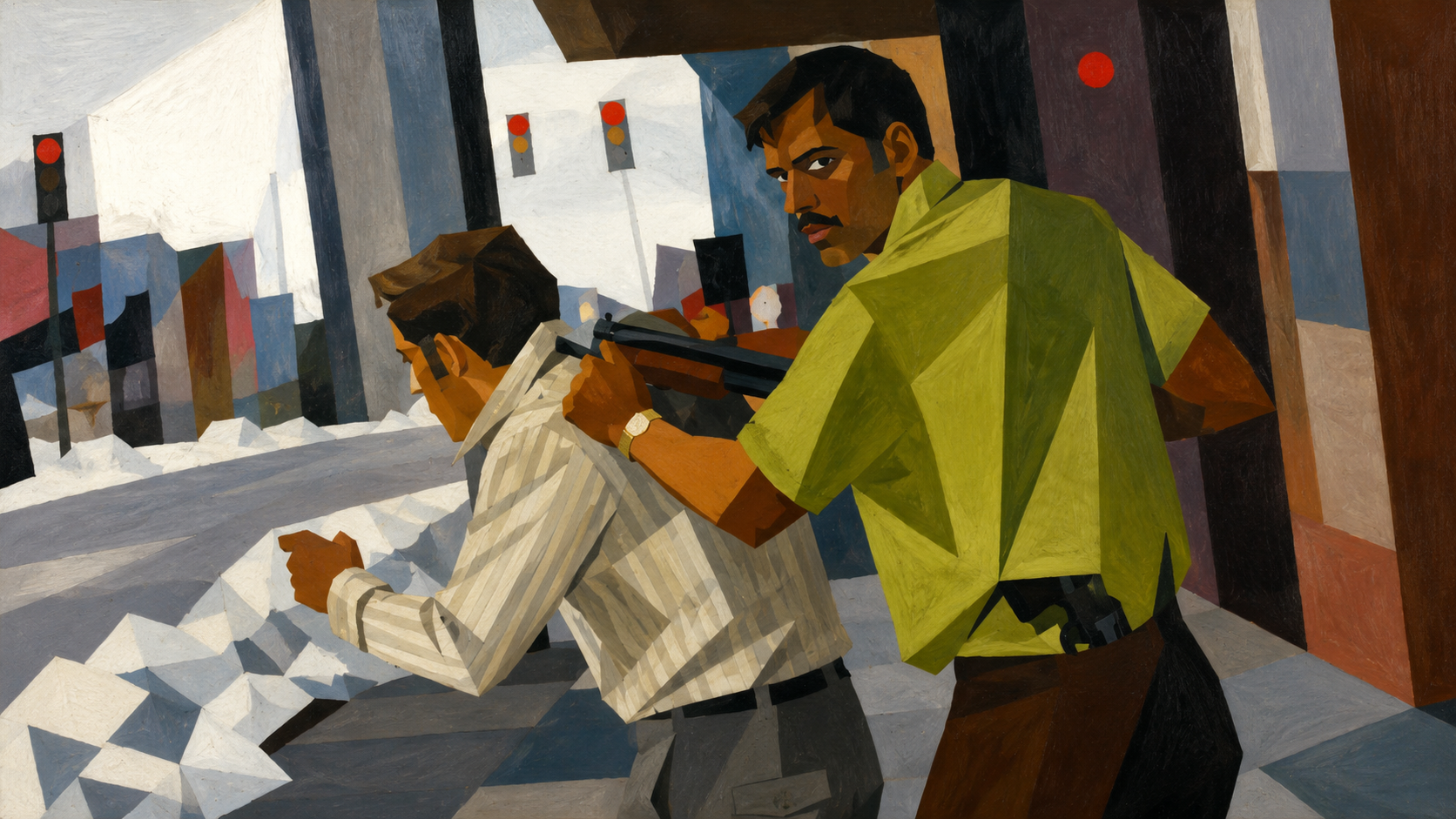


It is about a man, Dick Hall who is taken and kept a hostage for 63-hours wearing a “dead man’s wire”--a wire around his neck atttached to a shotgun that will go off with any false move.
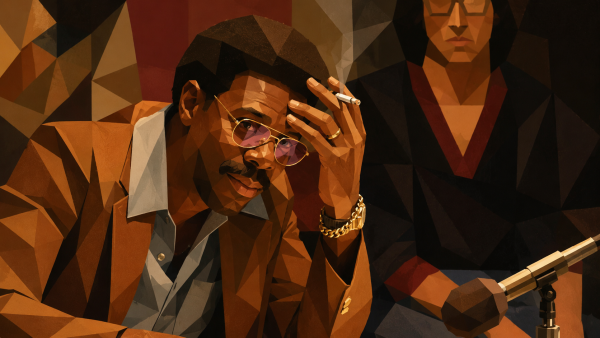
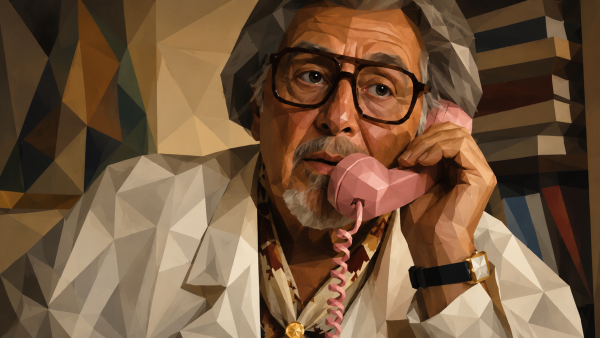
“Dead Man’s Wire” (2026, now on Netflix) is a riveting film based on a true story that occurred in Indianapolis in 1977. It is about a man, Dick Hall (Dacre Montgomery) who is taken and kept a hostage for 63-hours wearing a “dead man’s wire” (a wire around his neck atttached to a shotgun that will go off with any false move). The hostage taker, Tony Kiristisis, is played by Bill Skarsgård, of the Swedish acting Skarsgård family, and he is excellent in the role. Also first-rate is Colman Domingo, who, as the Black homosexual Bayard Rustin in “Rustin,” was “terrific.” Here he plays an Indianapolis radio DJ, Fred Heckman, who Tony contacts and gets to air his demands. Another leading actor, this time in a minor role as Dick Hall’s father, the ultimate boss of Meridian Mortgage, is Al Pacino, who in a telephone conversation grandiloquently refuses to meet Tony’s demands.
The film was written by Austin Kolodney and directed by Gus Van Sant, who is best known for earlier movies such as “Drugstore Cowboy” (1989), “Good Will Hunting” (1997), and “Milk” (2008). “Dead Man’s Wire” is his first feature film in seven years. In that his films often deal with “marginalized subcultures, especially gay culture,” his present one also deals with someone from such a “marginalized” culture--an individual (Tony) who believes that Pacino’s mortgage company had loaned him the money to buy land and set up a shopping center, but then “steered retailers away from the property, forcing him to default on the loan.” But what makes him part of such a small culture is that he takes criminal action to right the wrong he thinks was done to him. As he says, such companies “lure in common folk, give them a taste of the American Dream and then spit 'em right out. (See here for more on the American Dream.)
Tony was the fourth of five children in a Greek Orthodox family, speaking only Greek until he started school, was a soldier in the Korean War, and never married--his brother said he didn’t want to be attached to anything. He also had a bad temper, and when his mother was 41, she died of cancer. Tony had a hard time accepting the death, and that might have unhinged him somewhat.
Call-ins to the Indianapolis radio program, an indication at the end of the film that “Meridian Mortgage suffered decreased quarterly returns after 1977 and declared bankruptcy” and the song “The Revolution Will Not Be Televised”--which can be heard and seen at the movie’s end--all indicate that Tony’s actions generated a fair amount of public support.
Tony tries to negotiate a deal for himself, including an apology from Meridian Mortgage, and thinks he has achieved it. But he is tricked, arrested, and tried. So as not to spoil the ending for viewers, I’ll not reveal it here.
