

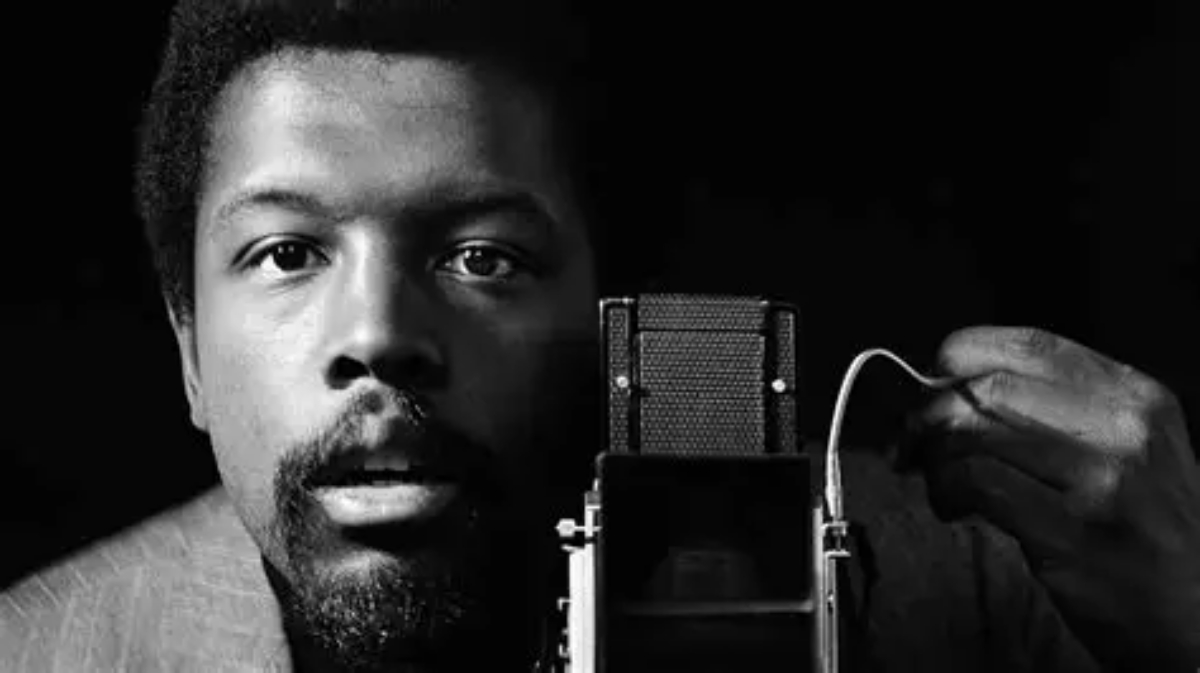

Like Frantz Fanon, the eponymous photographer remembered in Black is Beautiful: The Kwame Brathwaite Story was dedicated to decolonizing the minds of Black people
PAN AFRICAN FILM FESTIVAL 2026: Capsule Reviews, Part II
The 34th Pan African Film & Arts Festival, America’s largest Black-themed filmfest, took place February 16–22 in Los Angeles, mainly at the Culver Theater and the Cinemark Crenshaw Baldwin Hills. (The ArtFest took place February 7-16 at Crenshaw Baldwin Hills.) During Black History Month PAFF – co-founded by former Black Panther Ayuko Babu – annually screens Black-themed movies ranging from Hollywood studio productions and TV-movies to indies, foreign films, documentaries, low budget productions, shorts, animation, etc. Films span the spectrum from Oscar nominees to hard-to-find gems from Africa, the Caribbean, America and beyond that L.A. viewers are unlikely to be able to see at any other venue.
BLACK IS BEAUTIFUL: THE KWAME BRATHWAITE STORY
This year, PAFF presented at least four nonfiction biopics about prominent Blacks: A Better Way: James Lawson, Architect of Nonviolence, The Inquisitor, about Congresswoman Barbara Jordan, and Rediscovering Fanon. Like Frantz Fanon, the eponymous photographer remembered in Black is Beautiful: The Kwame Brathwaite Story was dedicated to decolonizing the minds of Black people and an authentic presentation of African Americans’ personas and selves in everyday life.
Inspired by Black nationalists/Pan Africanists Marcus Garvey and Carlo Cook, starting in the 1950s, this pioneer of “Black Consciousness” in America co-established the Africa Jazz Arts Society and Studio and Grandassa Models. AJASS presented concerts at venues such as Smalls Paradise in Harlem, a nightclub which also coincidentally plays a prominent role in the play Red Harlem being staged now in L.A. through March 15. At Grandassa’s fashion shows, Black models wore Afros and African fabrics, and promoted the notion that “Black is Beautiful,” which went on to gain greater national attention as a sort of aesthetic corollary to the emerging Black Power movement.
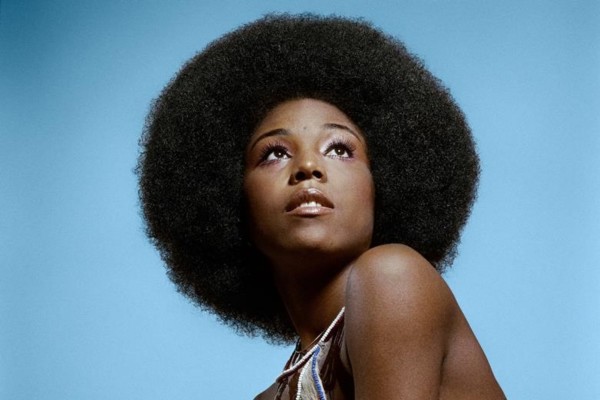
Publications such as the UK’s Blues & Soul magazine picked up Brathwaite as its photographer, and from the Apollo to Africa, he shot iconic musicians such as Stevie Wonder and Sly Stone. Brathwaite traveled to Senegal to photograph the Jackson 5’s tour there, and to Zaire to shoot the Ali/Frazier “rumble in the jungle.”
Alas, decades later, when the Smithsonian opened its Museum of African American History and Culture, Kwame Brathwaite – who’d adopted his first name in honor of Ghana’s first post-independence president Kwame Nkrumah – was forgotten. However, British director Yemi Bamiro’s Black is Beautiful: The Kwame Brathwaite Story – which was made with lots of input from the late shutterbug’s relatives – is restoring his luster and rightful place in the Black Pride movement, and Brathwaite’s stature as a trendsetting artist.
Among those interviewed for Black is Beautiful are Alicia Keys and Gabrielle Union. Keys is of mixed race origin, which could explain why she’s not sporting an Afro. I have no idea what texture Keys’ hair naturally is, but onscreen Union seemed to my untutored, Caucasian eye to have straightened her hair which, if that’s the case, struck me as being tone deaf and out of character with the film’s message.
Nevertheless, Black is Beautiful: The Kwame Brathwaite Story is a richly textured, extremely enjoyable film which won PAFF’s Best Feature Documentary award.
For more info, see here.
