

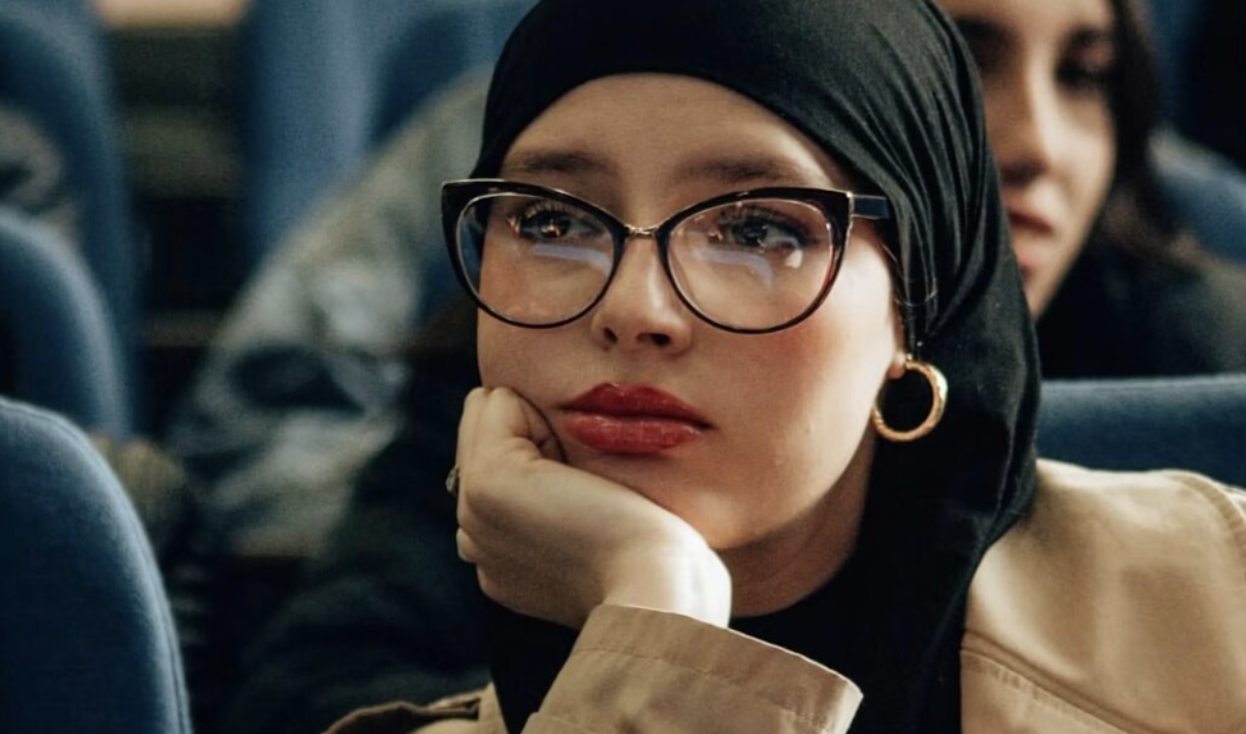


Explore how film and television challenge Islamophobia by reshaping narratives, humanising Muslim experiences, and influencing how global audiences understand identity and culture.
For a long time, the way Muslims were portrayed on screen followed a narrow script. News cycles, political narratives, and entertainment media often overlapped in ways that blurred fiction and reality. The result was a set of familiar images that audiences absorbed without always questioning them.
That’s why film and television have such a powerful role to play in shifting perception. They don’t just reflect how people see the world—they actively shape it. And when done well, they can quietly dismantle assumptions that have been built over decades.
What’s changed in recent years is the depth of storytelling. Instead of reducing characters to a single identity marker, more creators are exploring the everyday details of Muslim life. That includes small, unspoken rhythms—like how routines shift across Islamic months, or how cultural practices weave into daily interactions without needing explanation. These details don’t feel like lessons. They feel like reality.
And that distinction is where the impact starts.
Moving Away from One-Dimensional Narratives
Historically, Muslim characters were often written with a specific function in mind. They were there to create tension, to represent a threat, or to act as a backdrop to someone else’s story. Even in less extreme portrayals, there was a tendency to frame identity as a problem to be solved.
Film and television have slowly begun to move away from that.
Writers and directors are starting to treat Muslim characters as fully realised individuals rather than symbols. That means showing a range of experiences—joy, humour, ambition, relationships—without tying everything back to conflict or difference.
It sounds simple, but it has a real effect. When audiences see characters living ordinary lives, it becomes harder to hold onto reductive stereotypes.
Humanising Through Storytelling
At its core, storytelling is about connection. It allows viewers to step into someone else’s perspective, even if only for a short time.
That’s where film and TV can challenge Islamophobia in a way that facts or arguments often can’t.
A well-written character doesn’t need to deliver a speech about identity. Their actions, relationships, and choices do the work. Viewers begin to recognise familiar emotions and experiences, even if the cultural context is different.
This kind of storytelling doesn’t force empathy. It creates space for it.
And once that connection is made, it becomes much harder to reduce an entire group of people to a stereotype.
The Importance of Who Tells the Story
There’s a noticeable difference between stories about a community and stories told from within it.
When Muslim writers, directors, and producers are involved in the creative process, the tone shifts. The focus moves away from explanation and towards authenticity. Details feel more natural. Dialogue sounds more lived-in. Characters are allowed to exist without constantly justifying themselves.
That doesn’t mean every story has to be autobiographical. But it does mean that the perspective is grounded in real experience.
This shift is one of the reasons newer portrayals feel more nuanced. They’re not trying to correct a stereotype directly—they’re simply presenting something more accurate.
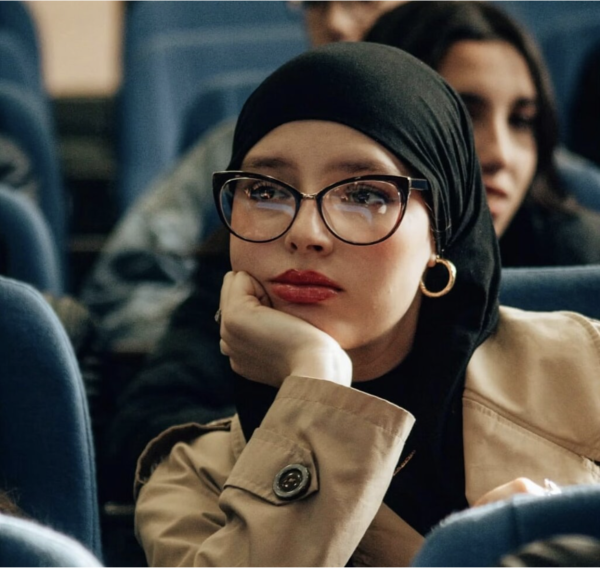
Challenging Assumptions Without Being Didactic
One of the more effective ways film and television challenge Islamophobia is by not addressing it head-on.
Heavy-handed messaging can sometimes create distance. It reminds the audience that they’re being taught something, which can make the experience feel less genuine.
Instead, many creators are choosing a more subtle approach.
They build stories where Muslim identity is present but not over-explained. They allow viewers to observe, to draw their own conclusions, and to sit with moments that feel unfamiliar without immediately translating them.
This approach respects the audience’s intelligence. It trusts that people can engage with complexity without needing everything spelled out.
Expanding the Range of Stories
Another key shift is the growing variety of genres that include Muslim characters and perspectives.
For a long time, stories involving Muslims were limited to specific themes—often tied to politics or social issues. Now, there’s a broader range: comedies, romance, thrillers, coming-of-age stories.
This matters because it breaks the association between identity and a single type of narrative.
When audiences see Muslim characters across different genres, it reinforces the idea that their experiences are just as varied as anyone else’s. It normalises presence rather than framing it as something unusual.
The Influence of Digital and Niche Platforms
Traditional film and television aren’t the only spaces where this shift is happening.
Digital platforms have created new opportunities for Muslim creators to tell their stories without relying on major studios. Short-form content, web series, and independent films are reaching audiences directly, often building strong communities in the process.
Some of these spaces operate almost like an informal Islamic channel, where content is curated around shared experiences, humour, and cultural references. The tone is often more relaxed, more personal, and less constrained by industry expectations.
This kind of environment allows for experimentation. It gives creators the freedom to explore ideas that might not fit into traditional formats.
And in doing so, it adds more layers to how Muslim identity is represented on screen.
Why Representation Alone Isn’t Enough
It’s easy to assume that more representation automatically leads to better outcomes. But quantity doesn’t always equal quality.
What matters is how characters are portrayed.
Are they given depth? Are they allowed to exist beyond a single storyline? Do they feel like individuals rather than placeholders?
Film and TV have the power to challenge Islamophobia, but only if they move beyond surface-level inclusion. That means investing in writing, direction, and storytelling that treats characters with care.
When that happens, the impact is far more lasting.
The Ripple Effect on Audiences
The influence of film and television doesn’t stop when the credits roll.
Stories shape conversations. They influence how people think, what they notice, and how they interpret what they see in the real world.
When audiences are exposed to more nuanced portrayals, it can shift their baseline expectations. Stereotypes that once felt familiar start to feel outdated or incomplete.
This doesn’t happen overnight. It’s a gradual process. But over time, it changes the way people engage with difference.
And that’s where the real impact lies.
Looking Ahead
The role of film and television in challenging Islamophobia is still evolving.
As more creators gain access to resources and platforms, the range of stories will continue to expand. That means more perspectives, more genres, and more opportunities to reshape how Muslim identity is understood.
There’s no single film or series that can undo years of misrepresentation. But taken together, these stories build something more powerful.

They create a more complete picture—one that reflects the complexity, diversity, and humanity that has always been there.
And once audiences start to see that clearly, it becomes much harder to go back to the old narratives.
