

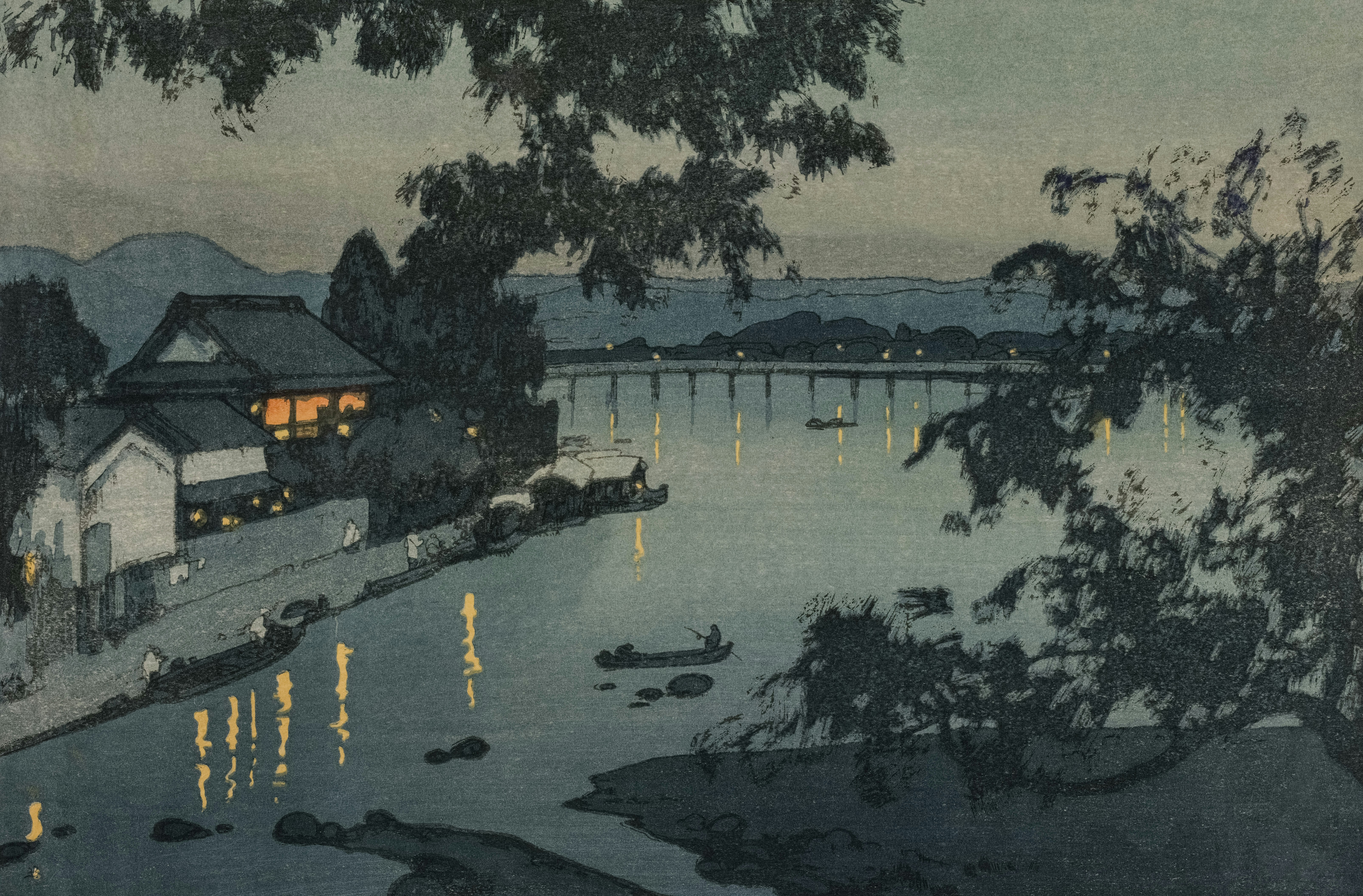


Social media has had some effect on our idea of beauty standards when it comes to everything from vacation spots to houses to what people should look like.
Art isn't always beautiful. It doesn't always aim to showcase beauty, but when it does, imperfection can enhance rather than detract from that beauty. Of course, humans haven't always agreed on what is beautiful, across time and cultures or even when they're in the same room with one another. Artists, philosophers and ordinary people have all grappled with questions about the nature of beauty. Is it the same thing as flawless? In different times and places, we've distrusted both beauty and imperfection.
Brutalist Architecture and Imperfection
In the middle of the 20th century, architects began to design stark, concrete buildings that emphasized function over form. This style was called brutalist, and while it tended to have clean lines, there was little about it that resembled what people traditionally think of as beautiful. It arose out of a mistrust toward that kind of aesthetic judgment and focused on the features that people need to live their lives, not on how attractive the buildings were.
Today, people are mixed in their opinions on brutalist architecture. Some consider it grim and depressing while others think there is plenty to admire about the clean lines and rugged imperfection. Its use of raw materials gave it a sense of authenticity that contrasts to some other contemporary architecture than can feel sleek and soulless. While brutalism is far from being to everyone's taste, the fact that people do have affection for it demonstrates that not everyone is looking for conventional ideas of beauty in the things around them.
Social Media and Beauty Standards
Social media has had some effect on our idea of beauty standards when it comes to everything from vacation spots to houses to what people should look like. Thanks to filters, artificial intelligence and the ability to take dozens of pictures until you get the right one, these standards are often unrealistic. Even some of nature's most pristine and breathtaking sights can't compete with the enhanced way that they appear on a visitor's social media account. The same could be said for people's faces and bodies.
But wanting to change how you look isn't always about chasing unrealistic ideals, just as touching up a piece of art doesn't mean you're trying to make it flawless. Cosmetic surgery can also be about building your confidence or being proactive about how you present yourself to the world. Getting a cosmetic procedure can be an empowering act that gives ownership over your face and body. Payment plans can make cosmetic surgery much more accessible to more people as well. Your practice can provide you with a unique link to apply for monthly installment payments or you can find a link online yourself. These payment plans are seamlessly integrated with Allē, the loyalty program for BOTOX® Cosmetic, JUVÉDERM® Collection of Fillers and more.
Japanese Art and Imperfection
Wabi-sabi is a traditional and wide-ranging concept in Japanese art and design that acknowledges and incorporates the inevitability of change and imperfection. Unlike brutalism, it doesn't abandon traditional ideas of what is attractive. Instead, perhaps more like plastic surgery, it acknowledges that nothing is flawless but also allows steps to be taken toward improvement.
It's a concept that has made inroads in the Western world as well, in fields as disparate as art, media and computer programming. A related concept from Japan that connects beauty and imperfection is kintsugi, which is an art of repairing what's broken. There are different styles of kintsugi, but the philosophy behind it embraces the fact that the object is worn and broken as part of its appeal.
Imperfect Connections
On a broader scale, embracing what isn't perfect can enhance relationships as well. If social media has given us unrealistic expectations of what everything is supposed to look like, it's also changed our expectations for relationships. Online, we see what people often call the highlight reel of everyone else's lives with none of the mundane or unpleasant parts. Television and movies have had this effect as well, presenting idealized views of connections with family, friends, neighbors and coworkers that can be much more difficult in real life.
Letting go of the idea that these relationships need to be perfect to be functional and meaningful can be a relief. It can also allow for deeper connections with others. No one wants to feel like they must be on their best behavior 24/7, and no one can maintain that indefinitely. Treating yourself and others with compassion toward imperfections can be the first step toward deepening these relationships.
The Art World and Beyond
If you're trying to create art yourself, embracing flaws can help you grow in your work. If you're constantly terrified of doing something wrong, you won't take risks. Furthermore, what initially looks wrong can be an innovation. After all, in the 19th century, people disliked Impressionist paintings at first. Even after the public began to embrace it, it took the art world a little while to catch up.
However, you don't have to found a whole new school of painting to benefit from the lessons of imperfection in your artwork and your life. One of the reasons people dislike art that is generated by artificial intelligence is that it can look too perfect and thus devoid of life. The phrase the uncanny valley describes this sense that people get, whether they are looking at a robot or an AI created picture, that something simply doesn't feel right. It is human created flaws that makes artwork feel real.
