


By and large, films and TV shows pigeonhole bi+ characters into one of 10 categories of bi+ misrepresentation.
This September marked the 25th anniversary of Bi+ Visibility Month, which happened to coincide with the 76th Primetime Emmy Awards. HBO Max's “Hacks” with bi character Ava Daniels (played by Hannah Einbinder, who is herself bi) won best comedy series. The show’s writers also won the top award in their category.
We are thrilled to see shows like “Hacks” that feature a well-developed lead bi+ character gaining recognition. Sadly, not all shows with bi+ characters move the needle of inclusion and equity forward.
In fact, our Rewrite the BiLine report analyzed 82 films and TV shows that feature at least one bi+ character. We found that, by and large, films and TV shows pigeonhole bi+ characters into one of 10 categories of bi+ misrepresentation.
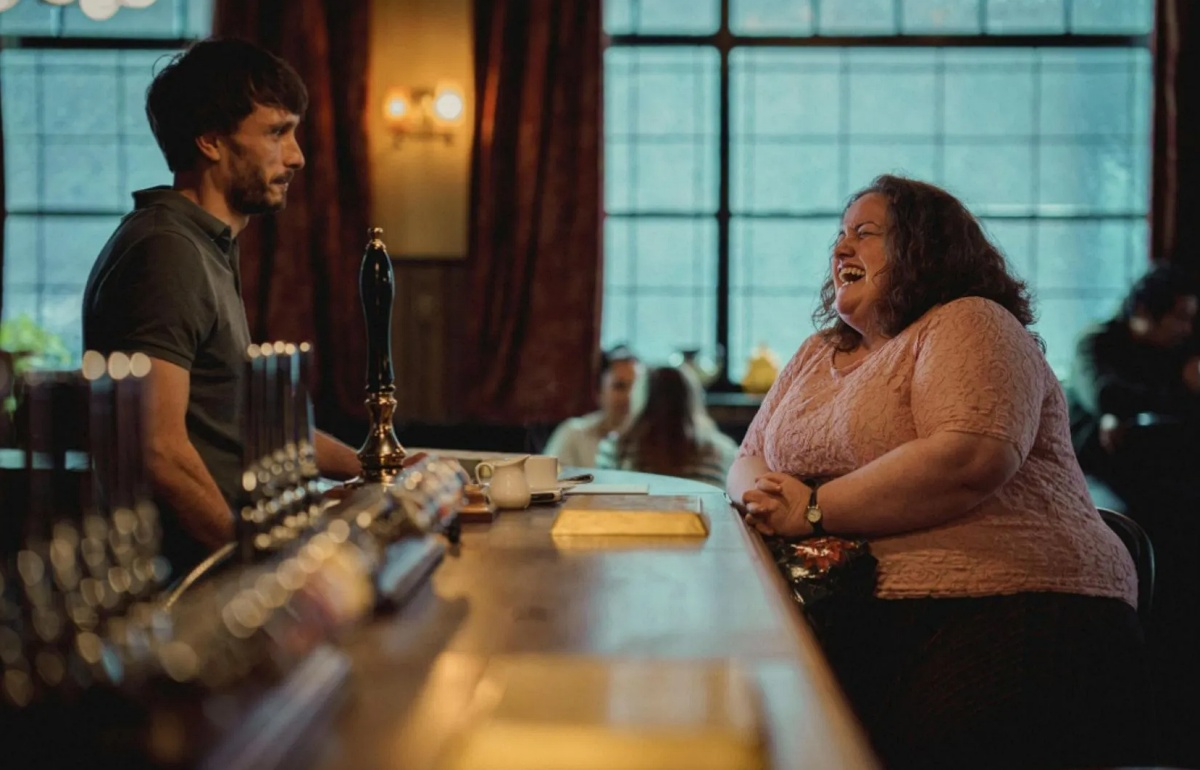
For example, “Baby Reindeer"—which also won a series of Emmys this year—illustrates the “problematic lead” through two different characters. “Baby Reindeer” is artistically satisfying, well-developed, and well-made. However, in “Baby Reindeer,” we are introduced to a pansexual-identifying character, Darrien, who is a sexual predator. While there are many bisexual-identifying characters who fall into this problematic archetype, this is one of the first examples we have found of a pansexual-identifying character who is a sexual predator.
Additionally, the series advances the false notion that one’s sexual orientation is created by trauma. Darrien declares his pansexuality to Donny, who is the lead character of the series, played by Emmy-winning Richard Gadd. The audience spends the rest of the episode watching Darrien groom Donny over several months, before Donny is sexually assaulted, in escalating ways, multiple times. Later, Donny defines himself as bi in an effort to understand his traumatic experience. There may be honesty to this character’s own belief of trauma-induced sexual interests given the series is based on Gadd’s real-life experiences.
Unfortunately, the series does nothing to negate this misunderstanding, and in a later episode, when confessing his assault to his parents, reinforces this harmful narrative with the dialogue, “I don’t think I’m straight anymore. I’m probably bi now, maybe.” Like so many other TV shows, past and present, this is the poor bi+ representation bi+ audiences have come to expect.
Media representations of bisexuality impact audiences of all ages, especially younger audiences. These stereotypical or demonizing depictions of bi+ characters—as has happened with other communities—can confuse and even shape the way a person sees themselves. Historically, bi+ people have been so absent from film and TV that bi+ erasure became commonplace in society, leading bi+ people to feel invisible. It is therefore critical for films and TV shows to avoid inaccurate stereotypes of bi+ people when creating queer storylines.
Here are the top 10 misrepresentations of bi+ people in film and TV today:
- Problematic Leads (aka Murderers, Manipulators, Serial Killers, and Homewreckers). We define problematic leads as characters whose bisexuality, stated or implied, is the source of or used in pursuit of their nefarious goals, such as murdering, cheating, and stealing. These also are characters whose storylines advance a trope, such as the false notion that one’s bisexuality or homosexuality is created by trauma. While we hope to reach a point in cinematic history where bi+ characters on screen can be presented as morally gray without being a stereotype, we are not there yet.
- Gay Films Featuring Bi+ Experiences. These are films that feature characters with very bi+ experiences yet all marketing, explorative articles, and public perception are that the movie is about a gay person/people
- Bi+ Erasure. These are films and TV series that seek purposefully or unintentionally to omit bisexuality as an identity for its characters. Oftentimes, the character will even experience multiple gender attractions and never identify themselves as bi+.
- Misunderstood Labels. These are films and TV series where a character may be written as bi+, or there is one instance of the character saying they are bi+, but the overall treatment of the character’s relationships and story confuse or erase the bi+ experience for the average audience goers
- Tragic Ends. These are films and TV series where bi+ characters have tragic storylines that often end in death.
- Bi+i as the Punchline. These are films and TV series that use jokes about and around bisexuality. Often the jokes are based on common misconceptions about bi+ people and advance stereotypes about bi+ people, such as asking whether it’s a real thing, claiming bi+ people are indecisive, or greedy, or that they will eventually choose a side.
- Bi+ Queerbaiting.These are films and TV series that take a pre-existing character and make them bi+ to draw in a larger audience, or purposefully keep a character’s identity vague so as not to isolate a fan base. In both cases, the creators are doing it for audience draw, not authenticity. Queerbaiting–and another of our categories, Tokenism–center around film and TV characters whose sexuality is discussed in media articles, at panels by the filmmakers, and/or after the show is finished because the representation of that character’s sexuality onscreen is ambiguous.
- Bi+ as a Plot Device. This is a narrative technique to move a plot forward with a bi+ character or short bi+ storyline. Often these characters are flat and underdeveloped or bisexuality is used as a smoking gun.
- Oversexualized Bi+ Characters. A character whose orientation is used as a sex object to entice straight and often gay audiences. These characters are most commonly women because it gives straight men an object of desire by playing on the potential of a threeway.
- Tokenism. This is a nuanced category where a character is bi+ but there is little merit, storyline, depth or robust experiences for the character onscreen. This representation so easily becomes a stereotype. For bi+ people, who have had so little representation overall, this makes it particularly damaging.
For examples of each of these forms of bi+ misrepresentations and a self-reflection tool for writers and other creators to help develop more authentic, visible bi+ characters and stories, access Rewrite the BiLine’s report and guide here.
