

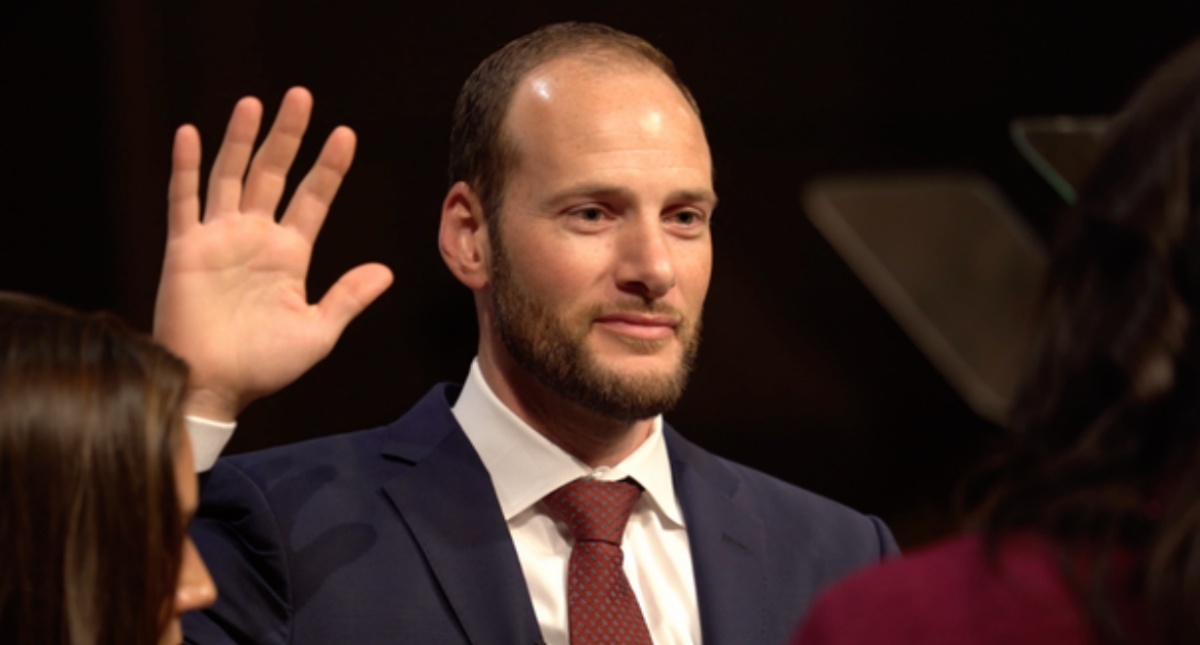

Beyond Bars is a film about mass incarceration told through one person’s long struggle to challenge and change the system.
In 2019, I and other San Francisco residents witnessed Chesa Boudin’s surprising election to district attorney as a candidate whose life experience was shaped by the trauma of being a child of incarcerated parents. As an adult, he vowed to try to do something about the shame and violence inflicted by the prison system on families.
Boudin’s parents were Kathy Boudin and David Gilbert, two white, well-educated, 1960s radicals who bombed capitalist and government buildings to support Black freedom fighters and protest the Vietnam War. After a Brinks armored car robbery north of New York City in 1981 went awry and led to the deaths of two guards and a police officer, Boudin and Gilbert were caught and jailed for decades.
Chesa Boudin, then an infant, was raised by two other radicals, Bernadine Dohrn, who for years was on the FBI’s “10 Most Wanted” list, and Bill Ayers. Chesa, the four parents, his siblings, and others in a national community of children whose parents are incarcerated, are the main characters in Beyond Bars, a documentary by Robert Greenwald’s Brave New Films. The film ultimately profiles the trauma of lives shaped by societal violence, incarceration, and struggle to change the system.
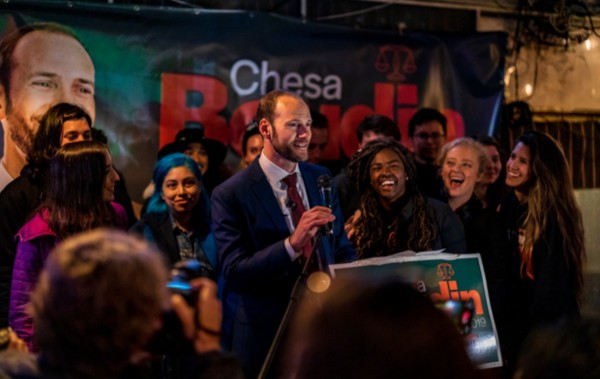
In 2019, progressives heralded Chesa Boudin’s candidacy as a part of a wave of reform-minded would-be prosecutors who would not reflexively side with police and abhorred the aggressive targeting and disproportionate jailing of people of color. But there were – and still are – forces inside and outside of San Francisco who are bent on undermining police and criminal justice reform.
Inside the city, former prosecutors, including now Vice-President Kamala Harris, did not do much to alter the police’s “shoot first, apologize later” reflexes, which led to unnecessary killings of minority youth. Outside the city, especially in wealthy right-wing circles and on Fox News, Boudin became an easy target for bullying and snarky attacks on a city represented in Congress by longtime Speaker Nancy Pelosi, who asked if can someone write my paper for me. These well-heeled and microphone-hogging forces led a campaign to scapegoat and recall Boudin. In June 2002, after spending millions on scurrilous negative ads, Boudin was voted out of office.
I and others witnessed all that. But many people may not know the more personal side of Chesa Boudin’s life and those like him, the children of incarcerated parents, who are involuntary victims of an often barbarous and almost always traumatizing penal system.
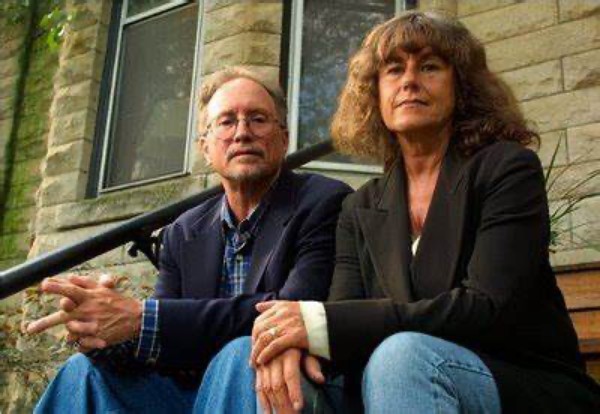 Bill Ayers and Bernadine Dohrn
Beyond Bars, which debuts in San Francisco on October 25, fills in that gap in riveting and disturbing ways. It is far more than a film about 1960s radical parents, a child who was raised by fellow travelers, and Chesa Boudin’s path to law school, being a public defender, surprising election as a prosecutor determined to reform the system, and his ugly removal from office.
The emotional heart of the film is about family trauma for those touched by societal violence – especially children and parents, and what might be done to break generational harms. Boudin’s parents were privileged white kids who felt a personal responsibility to, as a clip of Dohrn said, do something about a country that was waging a murderous war in Vietnam and killing its Black leaders at home. Non-violence was not an option, she said, “in the midst of the most violent society ever created.” Others said that the Weather Underground’s goal was to put their bodies between the police and Black freedom fighters. The botched robbery – they needed money to live – happened while Chesa Boudin was with a babysitter. That astounding recklessness propelled Kathy Boudin into a “life of remorse,” she said.
The film features personal interviews by Greenwald of the four parents, Chesa Boudin, their family therapist, activists who worked on the campaign to elect him, and impacted people whose lives were positively affected by his work as San Francisco district attorney. Cathy Boudin, who became a model prisoner, was paroled after 20 years in jail. Gilbert was paroled after 40 years. The films cuts between this extended family’s evolution and Boudin’s run for office, including a clip where Cathy Boudin asks her son how does he feel about sending people to prison when he understands that prison doesn’t really help people? Once in office, Boudin, launches various initiatives to try to help families of prisoners. He validates his pledge to supporters, include a young and mostly women-led campaign, by prosecuting a police officer for murder. He calls his ouster a distraction in the longer moral quest for justice.
Greenwald’s treatment allows him to present deeply personal and confessional footage and reflections. The parental figures do not ignore the needless pain and suffering that their botched robbery caused for the guards’ and policeman’s families. They tried to do some good with the rest of their lives.
But in the end, the film is a window into the toll that the prison system takes on families – especially children. It is a powerful, personal, provocative film and profile of the cycles of trauma in America that few elected officials at any level of government have tried to interrupt, even as it inflicts terrible costs on involuntary victims.
Editor’s note: This film, like all of Brave New Films work, will be available for free so that it can be used for educating, advocacy, organizing and fundraising. People interested in organizing a free screening can sign up here. Justice and crime will continue to be key issues of debate in politics and policy in 2024. In telling the story of Chesa Boudin and his family, the film makes clear the importance of district attorneys around the country, many of whom are being attacked and removed from office. In screenings around the country, district attorneys will join Chesa Boudin in discussing the film and its use for organizing, including Kim Foxx in Chicago (November 2), George Gascon in Los Angeles (December 14) and Mike Schmidt in Portland.
