


Foreign films had an advantage this year attracting more attention and providing celebrities – and there was no dearth of great cinema from around the world.
The word “International” in the name of The Toronto International Film Festival, emphasizes exactly that – it’s one of the most prestigious and largest public film festival in the world. Between 300-400 supercalifragilisticexpialidocious films from over 50 countries are on display to over a quarter of a million patrons throughout the 11-day extravaganza, while many of the screenings feature appearances and Q&A’s with the films cast and crew.
The actors and writers strikes in the US this summer created a dearth of celebrities that usually attend and draw large crowds to help companies sell their big budget commercial films now that TIFF has become a growing sellers market. So foreign films had an advantage this year attracting more attention and providing celebrities – and there was no dearth of great cinema from around the world.
A dynamic action-packed film from South Africa will probably get little distribution in the West, especially for political reasons. Capitalism failing is rarely a subject matter in films from the US. And you would probably never see criticism of the South African Truth and Reconciliation process that was so hight touted by those who fought to end apartheid. The script of Death of a Whistleblower implies that government officials were taking advantage of the Commission, allowing many crimes to go unpunished since they could benefit corporations and help politicians to get elected and receive payoffs.
This film recreates one violent incident after another as the brave whistleblower journalist, Luyanda Masinda, in her attempt to carry on the dangerous investigation that her colleague was murdered for, tries to expose the corrupt government that was shipping weapons to sell to Sudan and Yemen that were intended to be used in funding human rights work. South Africa has been suffering decades-long assassinations of whistleblowers who have been trying to expose state corruption, and director Ian Gabriel offers this highly-charged political thriller that brings attention to the lesser known crimes of the government. The action never lets up!
TIFF as well as many other major festivals seldom feature films from Cuba, especially the ones that might praise the Revolution or its leaders. This year was no exception. Cuba is also under pressure to make money for its film industry, and let’s face it, films that praise the socialist government don’t sell well in capitalist world. The one Cuban film at TIFF this year was Wild Woman, a feature debut by Alån Gonzålez, that confirms once again that there is freedom in Cuba to make films that challenge the system. The drama focuses on ‘broken social fabric, growing and dangerous mistrust in the community and endless circles of violence.’
Opponents of the Cuban Revolution would call this a ‘daring’ film, one that identifies with people who are rejected by society, which of course includes those that can’t accept or work well under a socialist government. The actress who played Yolanda, Lola Amores, was convincing and motivated in her role, saying she was drawn to the part because of her “love for Cuban women who have unquestioned love for their children.” A small role was played by the famed actor, Jorge Perugorria, who first came to light in 1993 in the only Cuban Oscar-nominated film, Strawberry and Chocolate. Since there are so few films coming out of Cuba, I find it necessary and vital to watch films with all points of view to get a fuller sense of the Cuban film industry.
Films came from afar to appear at TIFF, from places you rarely associate with cinema, like Nepal. A Road to A Village is a beautiful study of a rural village in Nepal facing the encroaching world of modernization. For centuries the people lived a life of simplicity and as a new road is built to connect them to the city and the wonders of the new world, their lives change drastically. An industrious craftsman who makes bamboo pads, takes them to town to sell, only to discover that people are now using much cheaper mass produced plastic tarps. His son is preferring Coke, sunglasses and hiphop, and the family faces tragedies to buy just a TV set. This is a deeply humanist film about people who are rarely thought of in the West.
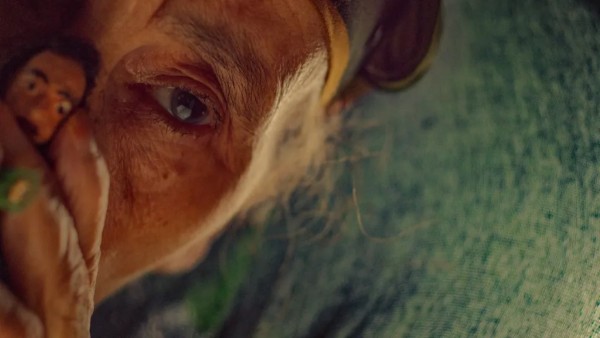
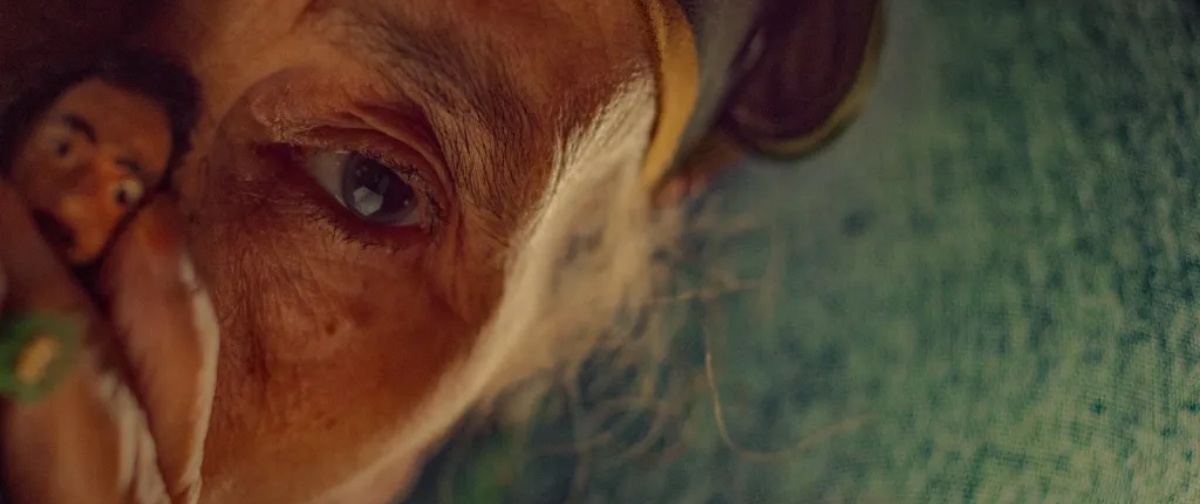
The burgeoning film industry of Morocco was represented by a film that explored its history and politics. The Mother of All Lies is a personal creation of filmmaker Asmae El Moudir, who won this year’s Cannes Film Festival Award for Best Director. She wrote a story about life with her father and used his construction talents to rebuild her childhood neighborhood in miniature throughout the length of the movie. Her childhood was revisited as the construction of a small city block gradually brought her memories to life, as well as the political history of the country. The unusual storyline and the use of handmade figurines and models make this a unique and emotional experience that also offers insight into Moroccan culture and history.