


Gaza film explores the lives and deaths of Palestinian journalists. Meanwhile Facebook, Instagram and YouTube refuse to run ads and promote the film.
The deadly war by Israel on the people of Gaza marches on, entering its 20th month. The consequences are devastating. The humanitarian costs include massive displacement, hunger and creeping starvation. Shelter, water, and medical care are starkly lacking. The estimated death toll now exceeds 60,000, including more than 17,000 children. Another 123,000 people have been seriously injured.
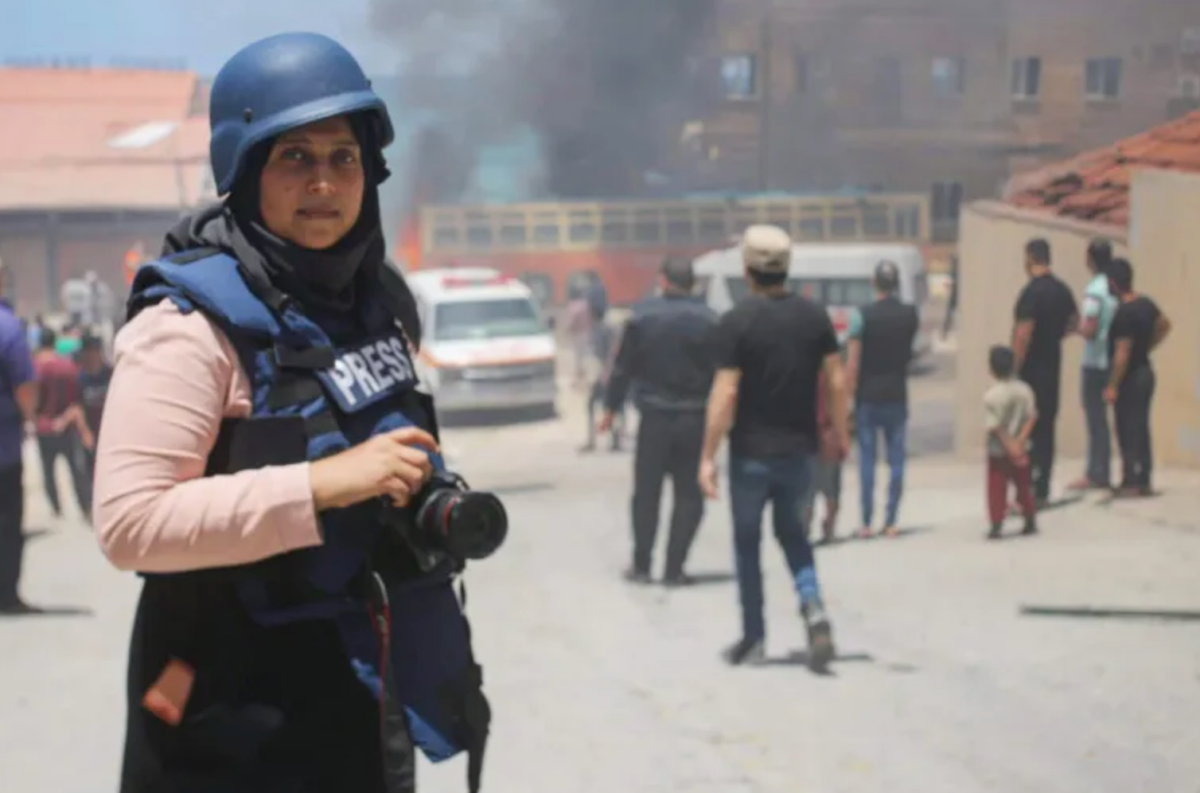
One striking and little-known aspect of the war is that Israeli forces have so far killed 232 journalists – an average of 13 per month. It is the deadliest conflict for media workers ever recorded, according to a report by the Watson Institute for International and Public Affairs at Brown University.
The deaths of media workers undermine the ability to tell the world what is happening in Gaza. Israel has imposed a stranglehold on information from inside the occupied territory, which along with the West Bank, comprise the Palestine territories.
“Trapped in the strip alongside their fellow Gaza residents, Palestinian reporters have been the eyes and ears of those suffering under the shadow of war,” CNN has reported. “With foreign media largely unable to enter, it is their photos, footage and reporting, often gathered at great personal risk, that have shown the world what is happening.”
That is, until many Palestinian journalists were killed trying.
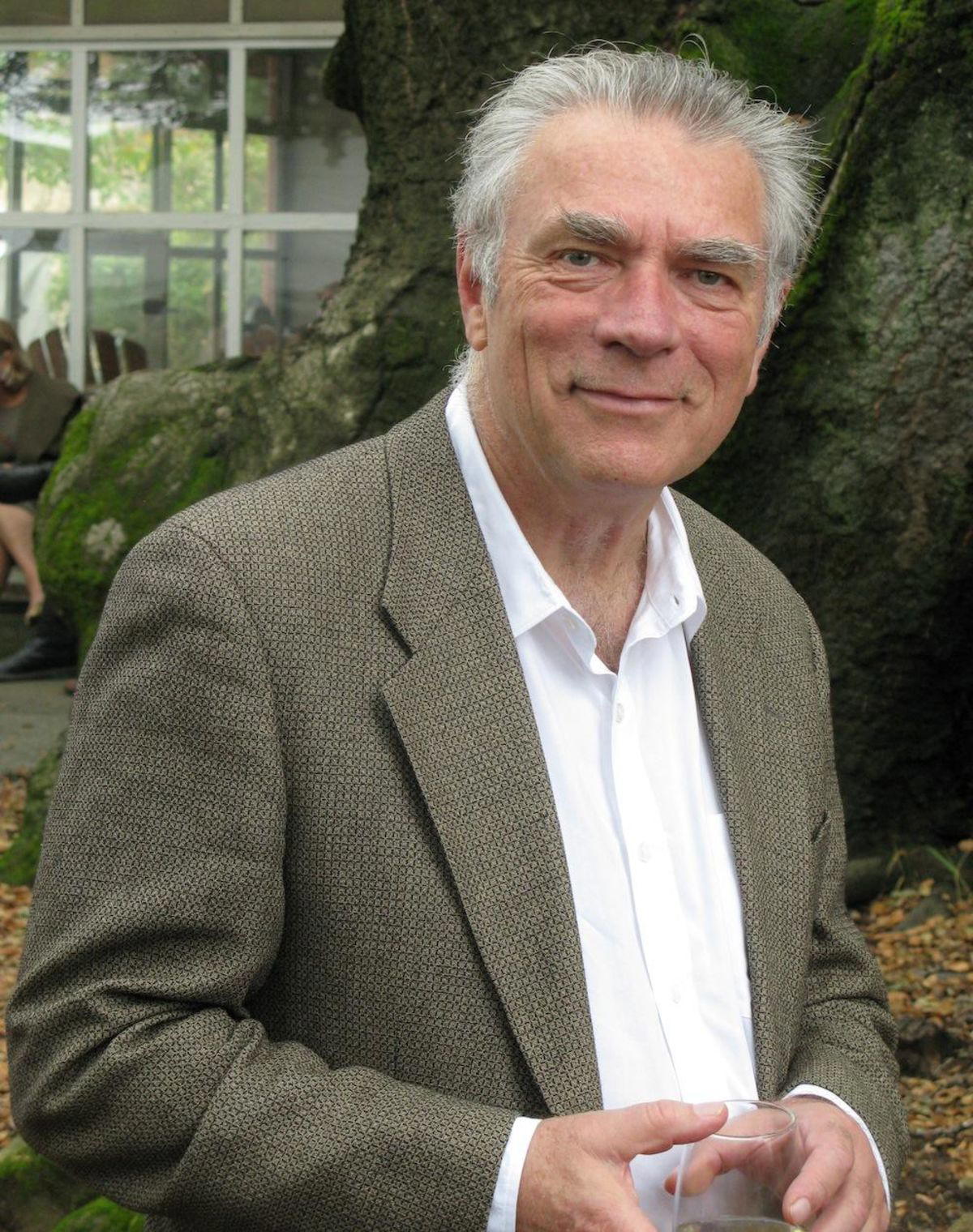
“It's an emotional, heart-breaking story. Making this film felt like a moral imperative and a challenge,” said Robert Greenwald, director of the new film Gaza: Journalists Under Fire. In an interview with Al Jazeera’s Mariam Chouta, Greenwald said he wasn’t merely producing another addition to his over 65-film portfolio. He was confronting what he called a personal battle against a “silence that would have amounted to complicity and moral hypocrisy.”
“I’m a Jew from New York. And every time I saw the images and scenes coming from Gaza, I felt that not addressing this issue would be a betrayal of my principles,” he said. “I knew the film would not be popular with the powerful pro-Israel lobby, along with attitude of the Trump administration, and many for whom Israel can do no wrong. Frankly, it hurt our fund-raising efforts. And on top of that Meta has chosen to censor our ads of Facebook and Instagram, despite a film that is meticulously fact checked.”
“Billions of U.S. dollars continue to fund this war of destruction, and we are not being allowed to spread the word,” he said.
In the making of the film, Greenwald and his team used a novel technique to convey the personal toll. The film profiles three of the slain journalists: Bilal Jadallah, Heba Al-Abadla, and Ismail Al-Ghoul. It uses archival footage, interviews with family and colleagues, and the journalists’ social media images and videos. The result are wrenching stories.
“I try to put a face on policy,” Greenwald told Westdoc Online. “Our films try to reach people’s hearts and then their brains. We don’t start with a position paper.”
“In the case of Gaza, Journalists Under Fire, we built on the great work by human rights and journalism organizations. Our team read thousands of pages documenting the atrocities in Gaza and the West Bank,” added Greenwald.
February 2024 was the deadliest month for journalists worldwide in more than three decades, CNN reported. The majority were killed in the Middle East, according to reporting by the Committee to Protect Journalists (CPJ).
Reporters Without Borders (RSF) and the Committee to Protect Journalists (CPJ) have both voiced concerns about journalists being targeted by Israeli forces. CPJ notes that Israel has a history of using lethal force against journalists, with no one ever being held accountable.
The Paris-based Reporters Without Borders has documented 35 cases where the Israeli military likely targeted and killed journalists because of their work by the end of 2024.
Watch and get involved
The film premiered at Poets and Busboys in Washington, D.C., on May 29. Screenings are taking place in Gaza, the West Bank and in Israel. The Los Angeles premiere is at Jackson Market in Culver City on June 18. Admission is free for screenings at 5 and 7 pm, while seats last. Tickets are available here.
Like all Brave New Films, including their classics “OutFoxed,” and “Iraq for Sale,” “Gaza: Journalists Under Fire,” is available for free. The first stage is to build awareness around the film. Anyone can host a screening. It can be with family and friends. Brave New Films also hosts related question-and-answer sessions. Here is the link to hold a free screening.
For more information and additional steps to raise awareness about Gaza, go to Brave New Film’s Website: https://www.bravenewfilms.org/palestinianjournalists
