



Many couples enter marital relationships with very unrealistic expectations, unaware that successful marriage takes time and personal energy.
When many couples faced quarantine and lengthy home stays, the COVID-19 pandemic exposed underlying marital/mental health problems such as panic, boredom, depression, frustration, increased substance abuse, physical abuse, generalized anxiety centered on fear of large financial and health insurance losses. Even for those with solid and stable marriages, social distancing to combat the spread of Covid-19 posed challenges to marriage. Confined to small spaces, partners had to balance work life and personal life, 24 hours a day, seven days a week.
While stay-at-home orders were rough on everyone, surveys showed nearly half of couples felt working from home in quarantine put a strain on their mental health and marital relationship. Conducted for a technology news site geared toward men, found that 3,000 workers surveyed across the U.S. reported that working at home was straining their marriage. Most couples and families weren't accustomed to spending this much concentrated time together. Eight days is the longest the average person said they could work from home in a shared space with their partner before tensions escalated.
The COVID-19 quarantine occurred against the larger cultural background of modern day U.S. society filled with idealized role models that define the perfect marriage, often with frustrating, unattainable and unrealistic results for most couples. Finding your soul-mate, spiritual and romantic nirvana, making your marriage into a blissful zone of perfect coupledom all are touted as standards for success. Little mention is made of the potential for harm that can occur when these become standards that most individual marriages cannot achieve, and living in quarantine quickly brought these problems to the surface.
All marriages have good and bad stages of growth and development. Many couples enter marital relationships, however, with very unrealistic expectations, unaware that successful marriage takes time and personal energy.
New couples, for example, are often unaware when they bring into their own marriage fears, needs and expectations that were learned from their own parents. While this unconscious psychological transference of feeling, perception and need from their family of origin is not unusual, it often can become very problematic to new marital partners.
Couples in psychotherapy often discover that 'inheriting their parents psychological problems' is the root source of much tension, interpersonal conflict, dysfunctional behavior and communication — all problems so prevalent today in marriage and family life.
KEY FACTORS IN A SOUND MARITAL HOUSE
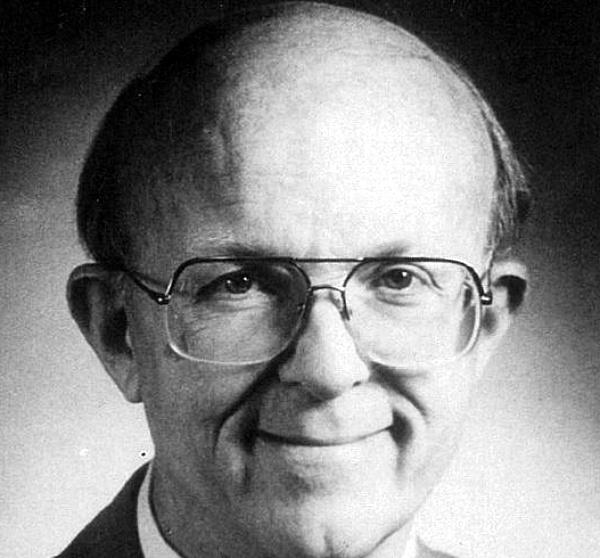
Fortunately, many couples have a healthy, stable marriage. Definition of a healthy marriage is found in the pioneering and well researched work of psychologist John Gottman, Ph.D., and associates at the University of Washington. Professor Gottman includes several key factors that are basic to a "Sound Marital House”.
- Well articulated and detailed love maps.
- Mutual admiration and fondness between partners.
- A strong habit of turning towards one another rather than away whenever one partner asks for attention.
Each partner in a good marriage has taken the time to learn their partners preferences and uses this information (or love map) to act in ways that will please the other. Healthy marriages have partners who admire and like their spouse. Partners find one another interesting, worthy of respect and acceptance. Basic admiration is converted into action and responsiveness by giving their mate attention when ask for, both in words and actions.
POSITIVE SENTIMENT OVERRIDE
The level of health or illness present in this behavioral foundation sets the stage for "Sentiment Override". This is the ability to 'cut your spouse some slack' when he or she is acting in ways you don't like. Strong marriages composed of solid love maps, fondness, admiration and dispostion to turn toward the spouse when called will develop "Positive Sentiment Override". Willingness , for example, to not take it personally when your spouse has a bad day at work and takes it out on you.
NEGATIVE SENTIMENT OVERRIDE
Unhealthy marriages lack knowledge of spouses likes/dislikes, are weak on fondness and admiration between partners , and tend to ignore, make excuses, and not turn toward the spouse when called, thereby producing "Negative Sentiment Override". With this, the tendency is to assume the worst possible interpretation of the spouses irritating behavior. You give the benefit of doubt with Positive Sentiment Override. Negative Sentiment requires just the reverse, where you assume that your spouse means harm. How well a couple deals with problems in their marriage is largely determined by the quality of Sentiment Override. Professor Gottman estimates that over 50% of all problems any given couple addresses in their marriage will most likely not be possible to solve if negative sentiment communication continues.
PERPETUAL FAMILY WARFARE
Given this negative sentiment communication, a couple can easily fall into a state of perpetual family warfare, taking sides in each problem and relentlessly try to convince their spouse that the problem is solvable....if only they would change or capitulate. Couples with strong marital friendship , who give the benefit of the doubt when arguing do much better when facing problems than do couples with weaker friendships. These couples can become very polarized on tough issues and fall farther apart. Sometimes they divorce themselves. Couples who thrive are able to communicate a basic respect and acceptance to one another in spite of perpetual problems. Dialog is created around these issues rather than gridlock. Each chooses to be 'part of the solution', not part of the problem.
FOUR HORSEMEN OF THE APOCALYPSE
Four problematic behaviors have been outlined in the research, and occur when couples cannot well handle marital problems. Referred to by Professor Gottman as the "Four Horsemen of the Apocalypse", these behaviors tend to accurately predict the likelihood of divorce:
- CRITICISM: troubled couples often attack each other in global ways, defaming each others character rather than carefully describing behaviors that have been annoying.
- CONTEMPT: Much criticism can mutate into contempt, where spouses judge each other and often assume that they themselves are morally superior to their mate.
- DEFENSIVENESS: Becoming defensive when attacked leads to less communication, less listening, less understanding of complaints and increasing counter attacking. A vicious cycle can spiral downward rapidly, further extinguishing positive sentiment in the relationship.
- STONEWALLING: Finally, one of the partners (usually the man) may try to escape from the fighting by Stonewalling, or remaining silent, eyes averted and arms crossed during the exchange. This behavior is guarenteed to inflame the partner (usually female) all the more. Although Stonewalling, Gottman says, appears to be only a passive-aggressive withdrawal, a highly elevated heart rate suggest that the Stonewaller is seeking escape from an intolerable stress situation .
MARRIAGE AND FAMILY THERAPISTS SEEK ANTIDOTES TO FOUR HORSEMEN BEHAVIORS
Seeking antidotes to the Four Horsemen behaviors is the central focus of marriage and family psychotherapy. With Gottman and other psychotherapists, global and harse criticisms by couples are rephrased into softer, more focused complaints. Displays of contempt are combated by encouraging spouses to reconnect with their mutual fondness and admiration. By encouraging each partner to take some of of the responsibility for marital problems, defensiveness and combativeness are often reduced. Stonewalling is worked on by encouraging more self expression and openness of communication.
PROFESSIONAL CONSULTATION
Professional consultation for quarantined ,stay at home families with a licensed marriage and family psychotherapist (LMFT), licensed clinical social worker (LCSW),licensed clinical psychologist (Ph.D., Psy.D.), psychiatrist (M.D.), licensed mental health counselor (LMFT) or other mental health professional can also be very helpful. Many of these mental health professionals are increasing available via Telehealth and telephone conjoint therapy as well. Even in crisis times, most psychotherapists agree that a healthy marriage is simply one where spouses basically like one another and can successfully live together in relative peace. This basic, emotional/psychological connectedness can be especially effective in marriage and for families coping with mental health effects of today's long-term social and economic COVID-19 public health crisis.
