

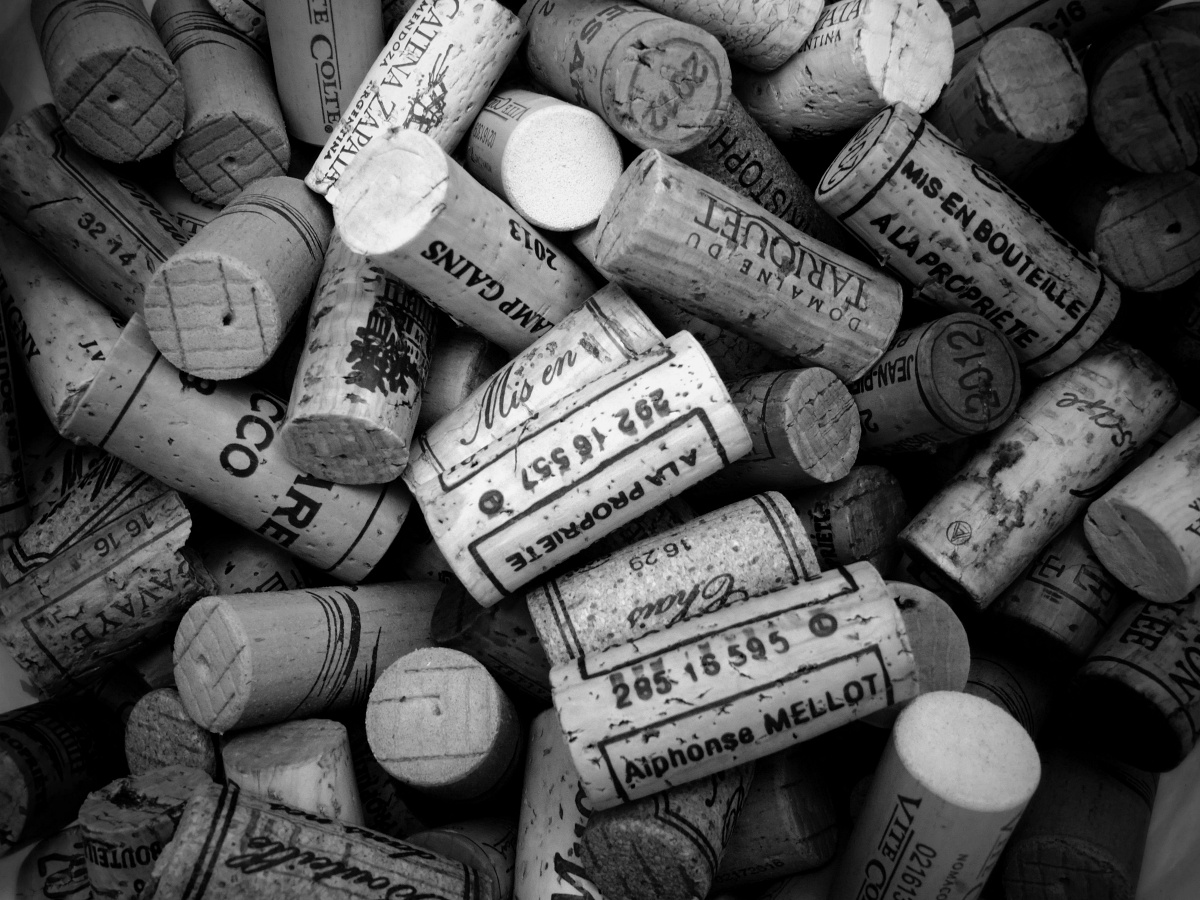


Corks have been around for centuries, and a cork on top of a bottle is so well established you can see it in old and famous impressionist paintings.
Whether you want to start a wine business or take it up as a hobby, there is more to learn than crushing grapes, as fun as that might be. Corking the wine is vital to getting that rich, complex flavor that will have you impressing any wine expert.
In this guide, we'll explain the importance of the wine corking process and what you need and provide a step-by-step guide on how to do it correctly.
Corks and Wine Bottles: A Long History
Corks have been around for centuries, and a cork on top of a bottle is so well established you can see it in old and famous impressionist paintings. It's easy to see why this bottle invention prevailed for so long.
Cork is excellent at preserving wine. It forms a tight, snug seal, minimizes the oxidation process that can damage the subtle flavors, and prevents the wine from becoming contaminated.
Simultaneously, cork is a porous material, meaning it allows a controlled amount of air to pass through it, which is vital for the wine's aging process.
Natural Vs. Synthetic Corks
When you begin wine bottling, you'll need to choose your cork material. When searching for corks for wine, there are two main types to choose from: natural and synthetic.
Natural corks are the more traditional kind. These come from the bark of cork oak trees. The soft texture makes them the perfect, breathable seal for wine bottles.
This has been the most common method for wine bottling, and it's still the favored option for high-end, expensive wines.
Synthetic corks are made from a plastic compound to mimic the qualities of natural corks. These are a reliable choice and are cheaper than natural materials. They also prevent cork taint.
Cork taint, more commonly known as "corked wine," occurs when fungus in the cork damages the wine's flavors and makes it unpalatable.
Wine Bottling Equipment and Tools
Before you can begin to cork bottles of wine, you'll need some equipment. Here is a list of items to have on your shopping list.
- A wine corker
- A pack of corks
- Wine bottles
- A funnel
- Sanitizing solution
There are different models of wine corkers on the market, and what you choose will depend on your model.
Some are lightweight and handheld, perfect for a hobby. Others will be more substantial floor models, which you may prefer for a commercial business.
The sanitizing solution keeps all your equipment clean and prevents contamination when bottling your wine.
Preparing Your Wine
You'll need to do some final wine preparation to ensure it's ready for you to transfer to a wine bottle.
First, you'll need to check that the wine is clear to prevent sediment from forming later. That means carrying out one final filtration to remove cloudiness.
You will also need to take steps to prevent the wine from oxidation once it's bottled. That involves a final adjustment in sulfur levels.
Finally, prepare all your tools and equipment and sanitize them. You'll also need to ensure your workstation is clean and your room is clear of potential contaminants.
Bottling Your Wine: A Step-By-Step Guide
Once you have your wine prepared and your equipment ready and sanitized, the work begins to bottle the wine. Here are the steps involved in most cork sealing methods.
Lay Out Your Kit
Ensure you have a table large enough for your equipment to move around on. Set up your bottle corker and bottles ready to begin filling.
Fill the Bottles
Use your funnel to fill each bottle. You should fill each bottle to around an inch from the top, which gives you space for the cork.
Corking
Next, place the cork in the wine corker. Align it with your bottle and use the lever or handle to put the cork into it. Complete this step before filling your next bottle of wine to minimize the risk of oxidation.
Inspect the Bottle
Before proceeding, always check that the cork is snug in the neck of the bottle. In some cases, you may want to adjust the cork for a better fit.
Store the Bottle
Always keep wine bottles somewhere cool and dark, ideally in a wine cellar. Keep the bottles on their side, as this will help to keep the corks moist.
Troubleshooting Common Issues
Things don't always go according to plan when you are bottling wine. Here is a list of the problems you may encounter and how to overcome them.
Broken Corks
Sometimes, the cork can break or chip when you insert it in the bottle if you don't align it properly. If this happens, you'll need to remove the cork, empty the wine, and strain it to remove any broken pieces.
The Cork Pushes Upwards
Sometimes, a cork begins to push upwards and out of the bottle.
That can happen if you don't leave a large enough gap in the bottle for the cork. It can also occur if the wine is still fermenting, so if the problem persists, you may need to check your wine.
Leaking
A bottle will leak when the seal isn't tight enough. That typically happens when the cork fits. If you have unusual bottle sizes, you must ensure you choose a cork that will fit.
If you find that the wine is spilling during the process of adding the cork, check all connections for leaks and ensure everything is secure before transferring the wine to the bottles.
Dry Corks
If you store bottles upright, you may notice the corks seem too dry. That can lead to too much oxidation. Always store wines horizontally to minimize this risk.
Bottling Wine With Corks: Getting It Right

Don't waste all that time producing the perfect wine and throw away that hard work by making mistakes in the bottling process. When bottling wine with corks, follow these simple steps and make sure you have the right equipment on hand.
If you enjoyed this article and want more home wine bottling tips for your wine venture, head to our latest articles now.
