

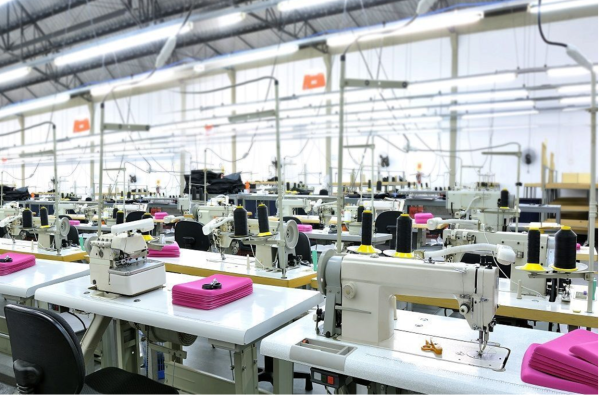


Bulk clothing manufacturing refers to producing garments in large quantities, often starting from hundreds and scaling up to thousands or even millions of units per order.
Custom clothing manufacturers in Pakistan are a preferred choice for businesses looking to scale production efficiently. Pakistan has long been recognized as a global hub for textile production, offering competitive pricing, skilled labor, and the ability to handle large-volume orders. For brands, wholesalers, and startups, working with these manufacturers provides access to quality fabrics, reliable production workflows, and flexibility in design and customization.
This guide explains how bulk apparel manufacturing works, the advantages of sourcing from Pakistan, and practical steps to partner with the right manufacturers for large-scale orders.
What is Bulk Clothing Manufacturing
Bulk clothing manufacturing refers to producing garments in large quantities, often starting from hundreds and scaling up to thousands or even millions of units per order. Unlike small-scale production, bulk manufacturing prioritizes consistency, cost efficiency, and timely delivery.
Businesses benefit from predictable production timelines, lower per-unit costs, and uniform quality across all garments. It is particularly useful for brands producing private-label clothing, uniforms, or wholesale apparel. Bulk manufacturing also enables better inventory planning and supply chain management, ensuring that products reach retailers or customers without delays.
Benefits of Choosing Pakistan
Pakistan has become one of the leading destinations for global clothing sourcing due to its strong textile infrastructure and cost advantages.
The country offers a vertically integrated textile industry, meaning raw materials, spinning, weaving, dyeing, and garment production are all available domestically. This reduces dependency on imported fabrics, shortens production cycles, and helps businesses maintain competitive pricing.
Labor costs in Pakistan are lower compared to countries like China or Turkey, making it more economical for brands to produce large volumes without compromising quality. Experienced manufacturers have a skilled workforce capable of handling complex designs, multiple production lines, and high-volume orders.
Additionally, many manufacturers in Pakistan are export-oriented and familiar with international standards, quality control, and documentation. Flexible minimum order quantities (MOQs) allow businesses to start with manageable volumes and scale as demand grows
Industries Served by Custom Clothing Manufacturers
Custom clothing manufacturers in Pakistan cater to a variety of industries.
Fashion brands frequently use them for private-label production, seasonal collections, and e-commerce apparel. Sportswear companies rely on manufacturers for performance clothing, activewear, and gym wear. Corporate clients source uniforms for employees, while educational institutions, hospitals, and hospitality businesses also depend on bulk production.
Manufacturers additionally serve promotional campaigns, events, and wholesale clothing businesses. The ability to produce large quantities of uniform quality makes Pakistan a versatile choice for B2B buyers across multiple sectors.
Features and Capabilities of Manufacturers
Most custom clothing manufacturers Pakistan provide end-to-end production services, covering everything from fabric sourcing to packaging.
Fabric Sourcing
Manufacturers offer a wide range of fabrics, including cotton, polyester, fleece, jersey, and blended materials. Sustainable and organic fabric options are increasingly available for brands emphasizing eco-conscious products.
Customization
Printing, embroidery, sublimation, and heat transfer services are standard. Manufacturers can implement complex designs, multiple color combinations, and brand-specific logos while maintaining quality across all units.
Product Development
Many manufacturers assist with tech packs, prototyping, sample development, and size grading. This ensures that the final product aligns with design specifications and meets customer expectations.
Packaging and Labeling
From simple bulk packing to fully customized retail-ready packaging, labels, and tags, manufacturers provide flexible packaging solutions tailored to a brand’s requirements.
Quality Control
Quality inspections are conducted throughout the production process. Inline checks during stitching and finishing, combined with final product inspections, guarantee uniformity and adherence to international standards.
Ferrati Sports, for example, offers a complete solution for bulk apparel production, including sourcing, production, and packaging, making it easier for businesses to scale efficiently while maintaining consistent quality.
Pricing Factors in Bulk Clothing Production
Cost is a critical factor in choosing a manufacturing partner. Several elements influence pricing:
- Order Quantity – Higher volumes reduce per-unit costs due to economies of scale.
- Fabric Type – Premium fabrics increase costs, while blended fabrics are more economical.
- Design Complexity – Multiple colors, embroidery, prints, and patterns require additional labor and time.
- Customization – Private labeling, special packaging, and branding add to production costs.
- Shipping and Logistics – Delivery method, destination, and associated customs fees affect total costs.
As a general reference, basic T-shirts can cost between $2 to $6 per unit in bulk, hoodies range from $8 to $18, and sportswear sets from $10 to $25, depending on specifications and order volume. Understanding these factors helps businesses budget accurately and select suppliers that match their cost expectations.
Production Workflow
The bulk manufacturing process typically follows a structured workflow to ensure efficiency and quality.
- Requirement Discussion – Businesses share designs, tech packs, quantities, and customization details.
- Sampling Phase – Manufacturers produce sample garments for approval.
- Quotation and Agreement – Final pricing, lead times, and terms are confirmed.
- Bulk Production – Cutting, stitching, printing, and finishing occur according to the approved specifications.
- Quality Inspection – Both inline and final inspections are conducted to ensure consistency.
- Packaging and Shipping – Garments are packed according to brand requirements and shipped to the buyer’s location.
Following this workflow ensures predictable timelines, reduces errors, and helps maintain consistent quality across large orders.
How to Get Started
To start working with custom clothing manufacturers in Pakistan, businesses should clearly define product requirements, target pricing, order volumes, and customization needs.
Next, shortlist potential suppliers based on their experience, communication capabilities, and production capacity. Request samples to evaluate quality before committing to bulk production.
Negotiating terms such as minimum order quantity, pricing, and delivery timelines ensures transparency. Establishing a long-term relationship with a manufacturer improves efficiency, fosters trust, and often results in better pricing and priority production slots.
Ferrati Sports is a reputable partner in this space, offering end-to-end solutions for custom apparel production Pakistan. Their expertise spans fabric sourcing, manufacturing, printing, and packaging, supporting brands in scaling production smoothly and reliably.
For businesses seeking reliable partners, more details can be found at clothing manufacturers in Pakistan.
Final Thoughts

Pakistan offers a strong combination of affordability, quality, and scalability for bulk apparel production. By understanding the production workflow, pricing factors, and supplier capabilities, businesses can make informed decisions and avoid common challenges in large-scale garment sourcing.
Working with experienced manufacturers allows brands to maintain consistent quality, meet delivery timelines, and focus on growth. Leveraging Pakistan’s expertise in textiles and apparel manufacturing can be a strategic advantage for businesses looking to scale efficiently.
