

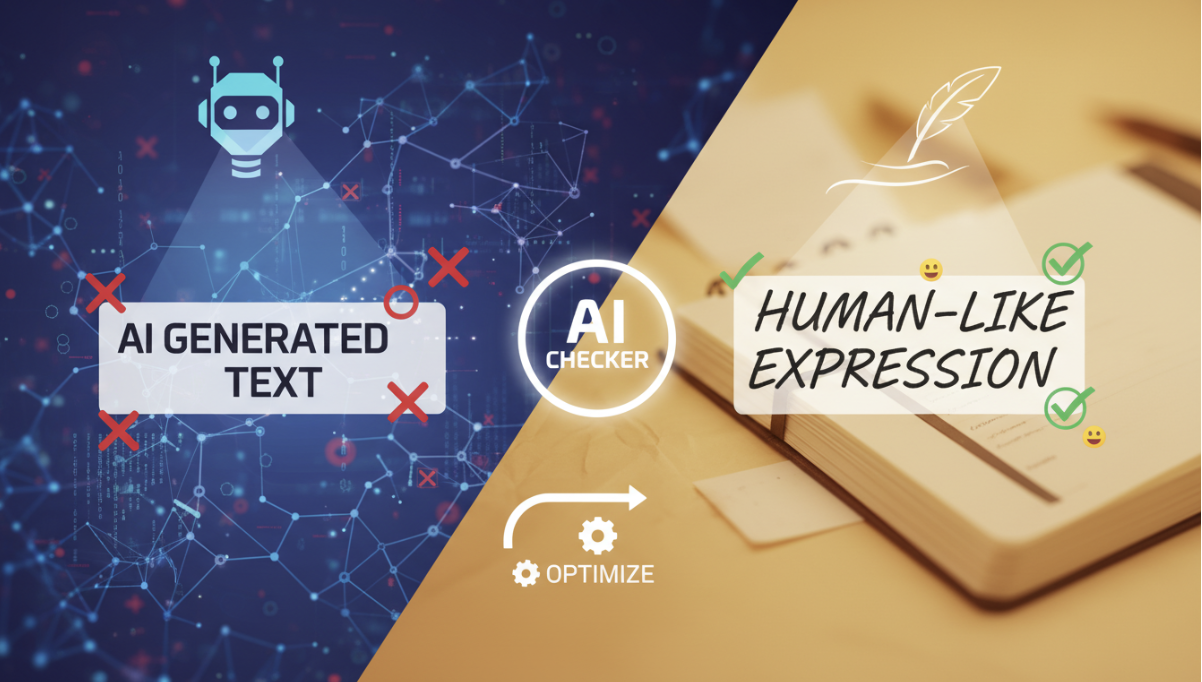


Using an AI Checker before submission helps writers understand how their text may be interpreted by systems designed to flag AI-generated language.
AI writing tools are no longer new, and most writers have already accepted them as part of their workflow. The real tension starts later, when a finished draft feels oddly polished yet emotionally distant. Dechecker was built for that moment, when content works technically but raises quiet doubts about how it will be judged.
Why “AI-Like” Writing Has Become a Real Risk
From convenience to credibility pressure
Early on, AI-generated text felt impressive simply because it saved time. Now the bar is higher. Readers have seen enough machine-written content to recognize its patterns, even if they cannot explain them clearly.
When text feels too evenly structured or too confident without hesitation, people pause. They read slower. Sometimes they stop trusting it altogether.
Detection tools influence real decisions
Whether writers like it or not, automated detection has entered classrooms, editorial workflows, and review processes. These tools don’t just exist in theory; they affect grades, approvals, and publication outcomes.
Using an AI Checker before submission helps writers understand how their text may be interpreted by systems designed to flag AI-generated language. It shifts the process from reaction to preparation.
The subtle signals readers pick up on
Human writing contains small inconsistencies. A sentence runs long. A thought slightly overlaps with the next one. AI often removes these traces in pursuit of clarity.
Ironically, that clarity becomes a signal. Readers may not say “this is AI,” but they feel that something is missing.
How Dechecker Thinks About AI Content
Detection as a feedback loop, not a verdict
Many detection tools frame results as a pass-or-fail judgment. Dechecker takes a different approach. It treats detection as an early signal, something to respond to rather than fear.
This changes how users revise. Instead of rewriting everything, they focus on sections that feel rigid or overly uniform.
Seeing patterns you already suspected
Writers often sense when a paragraph sounds off, but they can’t always pinpoint why. Dechecker highlights recurring structures and pacing issues that confirm those instincts.
That confirmation matters. It gives writers confidence to revise intentionally instead of guessing.
Why rewriting matters more than scores
A score alone doesn’t improve a draft. What matters is how the text evolves afterward. Dechecker encourages a workflow where detection leads directly into refinement, not anxiety.
The goal is not to erase AI involvement, but to reshape the output into something publishable and credible.
Humanizing AI Text Without Overcorrecting
When “sounding human” goes wrong
Some writers try to force humanity into AI text by adding slang, jokes, or dramatic opinions. That often creates a new problem: the tone feels artificial in a different way.
Natural writing isn’t louder. It’s more uneven, more situational, and more aware of context.
Where AI Humanizer fits into the process
Dechecker’s AI Humanizer works best when used as a refinement layer, not a shortcut. It adjusts phrasing, rhythm, and transitions to reduce mechanical patterns while keeping the original intent intact.
Writers still need to review the output carefully. The tool supports judgment; it doesn’t replace it.
Preserving intent and voice
A research answer shouldn’t read like a personal essay, and marketing copy shouldn’t lose its clarity. Humanization only works when it respects the purpose of the text.
Dechecker helps align tone with intent instead of flattening everything into a generic style.
Where Dechecker Is Commonly Used
Academic work under quiet scrutiny
Students face an unusual tension. AI tools help them understand material faster, but assignments are still expected to reflect personal reasoning. Detection systems often sit quietly in the background.
Running drafts through an AI Checker allows students to revise phrasing, add reasoning steps, and slow down explanations in ways that improve learning outcomes as well.
Content marketing that depends on trust
In marketing, speed matters, but credibility lasts longer. Blog posts and landing pages that feel auto-generated struggle to build authority, even if the information is accurate.
Teams use AI Checker feedback to adjust tone before publishing, especially when content represents a brand’s voice.
Professional writing with real consequences
Reports, proposals, and internal documentation carry reputational weight. If a document feels automated, stakeholders question its seriousness.
Dechecker often becomes a quiet quality-control step in these workflows, helping teams catch issues before review.
Using AI Responsibly as a Writer
AI doesn’t remove authorship
Using AI doesn’t mean responsibility disappears. Writers still decide what gets submitted. Dechecker reinforces that idea by making structural weaknesses visible.
It rewards engagement with the text rather than blind acceptance.
Scores are signals, not instructions
A low or high detection score shouldn’t dictate decisions alone. Some passages score poorly but read well. Others pass checks yet feel wrong.
Dechecker works best when writers combine tool feedback with their own reading experience.
Writing that holds up under review
The real goal isn’t to defeat detection systems. It’s to produce writing that survives scrutiny from real people. Dechecker supports that by highlighting risks early, while revision is still easy.
Careful adjustment usually results in text that feels calmer, clearer, and more believable.
Writing in an AI-Heavy World
Writing hasn’t lost value; it has gained exposure. AI makes production faster, but it also reveals weak thinking more quickly. Tools like Dechecker sit in the middle of that shift, helping writers notice when efficiency starts to undermine credibility.
Used thoughtfully, an AI Checker is not about fear or compliance. It’s about control—over tone, voice, and how words land with readers who still expect writing to feel human.
