

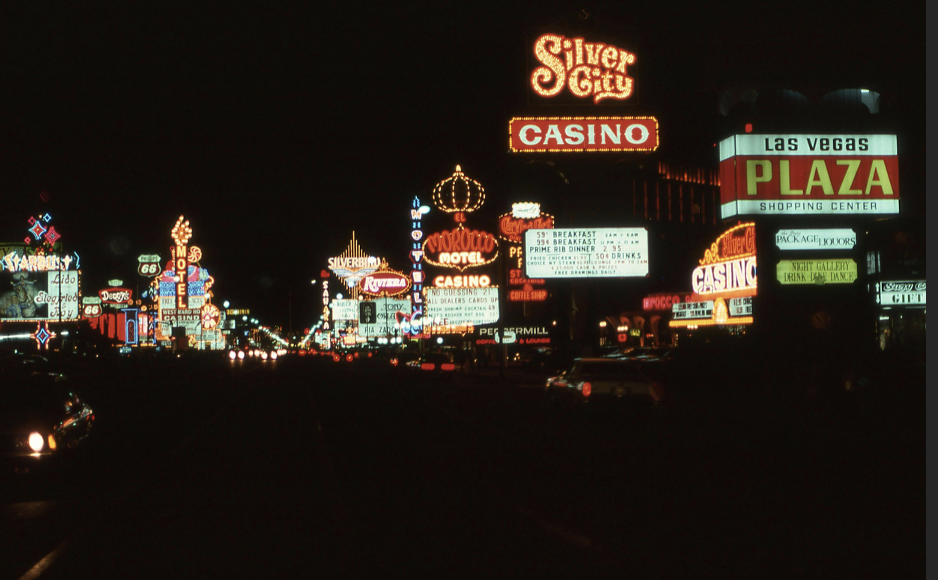


Casino scenes do more than show games of chance. They reflect the culture of their era.
Casinos have always seemed made for the movies. They are built on high stakes, flashing lights, quiet deals, and moments where everything can change in seconds. Glamour and risk coexist in a single space, making casinos ideal for cinematic storytelling. However, the way films use casino scenes has changed significantly over time.
Early movies often employed slow, tense pacing, shadowy settings, and subtle psychological drama. Modern films move faster, louder, and bigger, reflecting how audiences experience entertainment today.
Casino scenes do more than show games of chance. They reflect the culture of their era. From moody classics to high-speed spectacles, these scenes reveal how cinema’s relationship with risk, power, and thrill has evolved.
The Early Classics: Mood, Mystery, and Moral Tension
In early cinema, casino scenes were not loud or chaotic. They were slow, moody, and filled with tension. These casinos were often presented as shadowy, elegant spaces filled with cigarette smoke, hushed conversations, and the soft clink of chips. Atmosphere mattered more than the game itself, and the silence carried as much weight as dialogue.
Directors relied on long takes and dim lighting to build quiet intensity. Instead of fast cuts or flashy visuals, the camera lingered. Every glance, pause, and subtle gesture held meaning. Much of the drama came from what characters withheld rather than what they revealed.
These scenes focused heavily on character psychology. Gambling was not simply entertainment. It functioned as a test of control, discipline, and identity. Those who remained calm under pressure and those who gave in to impulse defined the outcome. Winning or losing was important, but self-restraint often mattered more.
In these early films, gambling symbolised temptation and moral risk. Sitting at the table meant flirting with ego, corruption, or downfall.
The early classics treated casinos as places where character was revealed rather than overwhelmed. The tension unfolded slowly, deliberately, and in deeply human ways.
The Rise of Glamour and Sophistication
As cinema evolved, casino scenes began to glow with glamour. Casinos became symbols of wealth, power, and elite access rather than shadowy dens of temptation. Lavish sets, sweeping camera movements, and polished lighting transformed the casino into a visual statement that signalled importance and influence.
Fashion played a significant role in this shift. Tailored suits, evening gowns, and effortless style conveyed confidence and control. Gambling scenes were no longer about desperation. They centred on composure, poise, and authority. The calm hand placing a bet carried more weight than the bet itself.
In this era, the casino became a stage for suave protagonists. These characters did not chase luck. They appeared to command it. Their confidence suggested mastery over risk, money, and even fate. Gambling was reframed as a marker of sophistication and spectacle rather than moral danger.
In more recent storytelling, this visual language has extended into scenes featuring online casinos with games like digital slots. These moments are often framed through glowing screens, minimalist interfaces, and rhythmic animations that mirror the spectacle once reserved for physical casino floors.
Rather than focusing on outcomes, filmmakers use these scenes to explore modern themes such as isolation, convenience, and the shifting relationship between technology and chance. The quiet tap of a screen replaces the clatter of chips, signalling how the idea of the casino has adapted to a digital age while still serving as a narrative device to reflect character, mood, and cultural change.
The Shift Toward Strategy and Spectacle
As films leaned further into strategy and spectacle, casino scenes began highlighting more than glamour. They showcased planning, tactics, and intellectual competition. Movies like Ocean’s Eleven turned casinos into strategic battlegrounds where characters outsmarted systems rather than relying on chance.
Heist narratives built around precision and teamwork reshaped the casino’s role in storytelling. Faster pacing increased intensity through quick cuts, layered action, and mounting suspense. Films such as 21 emphasised mathematical approaches to blackjack, proving that calculation and logic could be just as cinematic as luck.
Ensemble casts and complex plots added depth to casino settings. These spaces became arenas of intellect and tension rather than decorative backdrops. Casino scenes felt fast, clever, and engaging, with success depending as much on outwitting the environment as on the outcome of a game.
Modern Casino Cinema: Speed, Style, and Sensory Overload
Modern casino scenes mirror the pace of contemporary cinema. Directors rely on rapid editing, bold sound design, and visual excess to maintain momentum. Casinos serve as ideal environments for this approach because they naturally amplify intensity and stimulation.
Rather than appearing glamorous and controlled, casinos in modern films often feel chaotic and overwhelming. Flashing lights, pounding music, rapid dialogue, and swift cuts propel scenes forward aggressively. This style reflects how modern audiences consume media, with quick bursts of excitement rather than prolonged tension.
Subtle character psychology often takes a back seat to momentum. Casino sequences prioritise energy and immersion, aligning with digital culture’s appetite for speed and constant stimulation. The result is a sensory experience that keeps viewers engaged while reinforcing the narrative's urgency.
Technology’s Influence on Casino Storytelling
Technology has reshaped how casinos are portrayed on screen. Modern films often feature surveillance systems, data displays, and control rooms as integral components of the casino environment. These elements reflect how real casinos operate by monitoring activity and managing information in real time.
On screen, technology adds another layer of tension. Characters navigate spaces that feel interconnected and observed, which raises the stakes beyond simple wins or losses. Surveillance rooms and digital tracking emphasise control, vulnerability, and exposure.
This technological framing also shifts the balance of power within casino narratives. Instead of risk existing only at the table, danger emerges from systems, algorithms, and unseen observers. Technology becomes an active force that shapes outcomes and challenges characters in new ways.
By incorporating advanced systems into casino storytelling, films present modern gambling spaces as complex and highly regulated environments where every move is recorded and analysed.
The House Never Stops Evolving
Casino scenes have evolved in tandem with the audience's evolving tastes. From quiet psychological tension to sensory overload, these scenes reflect changing attitudes toward risk, power, and control. As cinema accelerates and technology advances, casinos remain a powerful mirror that reveals not only how games are played, but also how stories are told.
