



Humans are highly visual creatures. When we see and hear something together, the brain processes it more deeply.
Music has always been about more than just sound. From the grandeur of orchestral performances in historic concert halls to the intimate glow of a livestream on someone’s phone, visuals have played a key role in how audiences experience music. In today’s digital-first world, sound and visuals are inseparable, working together to create moments that stick in our memory long after the final note fades.
The Historical Role of Visuals in Music
Long before the age of screens and streaming, visuals were essential to live music. Think of dramatic stage lighting in opera houses, the intricate costumes of ballet, or even the psychedelic light shows of the 1960s rock era. These elements weren’t just decoration—they were carefully crafted experiences meant to deepen the connection between performer and audience.
The same principle applies today, only the stage has expanded. Musicians now reach global audiences online, and visuals remain a vital part of that connection.
Why Visuals Amplify the Listening Experience
Humans are highly visual creatures. When we see and hear something together, the brain processes it more deeply. That’s why a live concert feels so electrifying, with lights, backdrops, and crowd energy syncing with the music. According to HubSpot, content with visuals is 40 times more likely to be shared than content without visuals. For musicians, this means visuals are not just a nice touch—they’re a necessity for audience engagement.
How Technology Is Changing Music Visuals
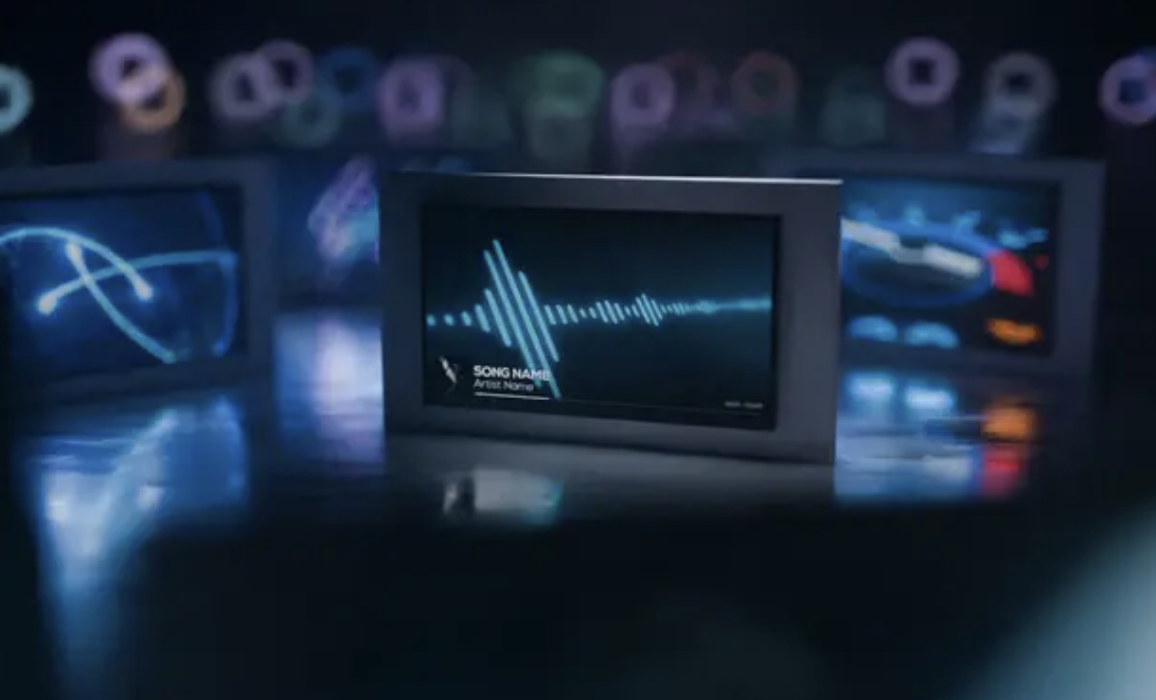
Technology has expanded the possibilities for musicians to pair visuals with sound. What once required expensive equipment and teams of designers is now accessible through software and apps. Even independent artists can craft immersive experiences with tools like music visualizers, which automatically generate animated visuals that sync with sound.
These innovations allow artists to compete on a global stage without the budget of a stadium tour. It also means fans can enjoy a visual connection to music whether they’re watching on YouTube, scrolling TikTok, or attending a livestream performance.
Visuals Across Different Platforms
The beauty of visuals in music today is that they’re versatile. Different platforms call for different approaches, but all serve the same purpose: amplifying the emotional power of sound.
- Concert Halls: Live shows still rely on lighting design, backdrops, and stage presence.
- Music Videos: These remain one of the strongest ways to connect music and storytelling.
- Social Media Clips: Short, visually striking snippets thrive on platforms like Instagram and TikTok.
- Livestreams: Backgrounds, overlays, and animations make digital performances feel engaging.
- Streaming Services: Visualizers add depth to otherwise static listening sessions.
Each platform expands the ways artists can connect with audiences, keeping the experience dynamic and fresh.
The Power of Storytelling Through Visuals
At its core, music is about storytelling. Visuals help bring those stories to life. A ballad accompanied by a moody, slow-moving animation conveys emotion differently than the same track paired with bright, pulsing visuals. By aligning imagery with sound, artists can guide how listeners interpret and feel the music.
It’s no wonder that music videos and visualizers remain popular—people want to experience music as a story, not just a sound.
Why Visuals Are Essential for Modern Musicians
For artists today, visuals are no longer optional. They’re essential for building a brand and connecting with fans. Visuals help musicians:
- Create a Memorable Identity: Unique visuals make an artist recognizable instantly.
- Boost Engagement: Audiences are more likely to share and interact with visually enhanced content.
- Expand Accessibility: Visuals attract new listeners who might not engage with audio-only formats.
- Enhance Live and Digital Performances: Whether on stage or online, visuals elevate the overall experience.
This blend of art forms reflects the modern reality: music is no longer just heard—it’s seen, shared, and felt.
Final Thoughts
From the sweeping stages of concert halls to the intimate streams we watch on our phones, visuals have always amplified the way we experience music. As technology continues to evolve, tools like music visualizers make it easier than ever for artists to bring their sound to life in new, captivating ways.

For musicians, embracing visuals isn’t just about keeping up with trends—it’s about creating unforgettable experiences that resonate with fans across every platform. In today’s world, where music lives as much on screens as in speakers, pairing sight with sound is what transforms songs into lasting memories.
