

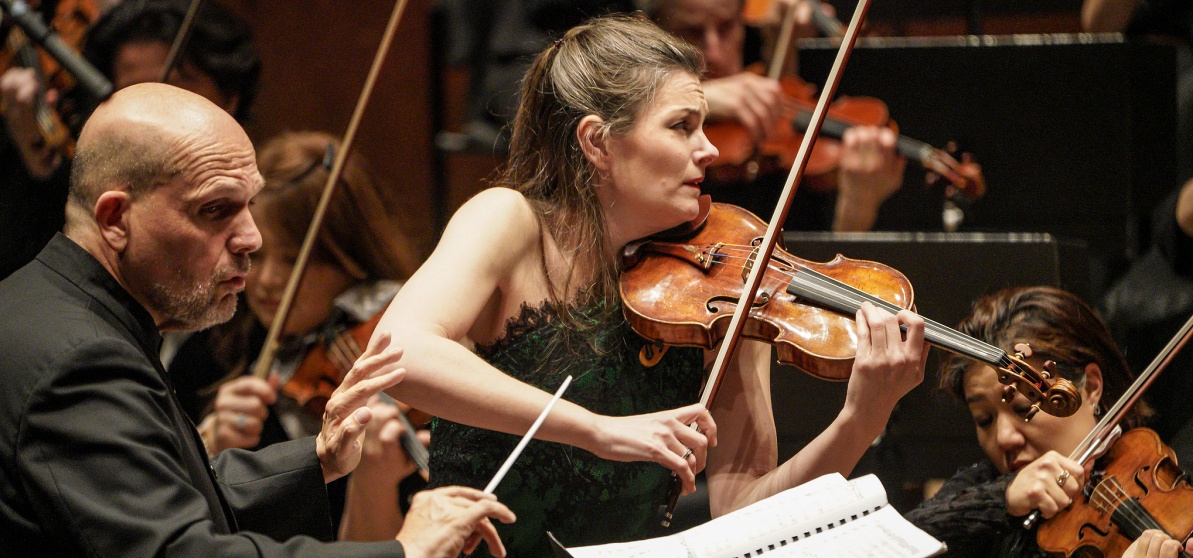


Today, music distribution is more than just a service—it's a powerful tool for creative freedom.
In today’s digital music world, independent artists are no longer waiting in line to be noticed. They’re building audiences, earning royalties, and launching careers—all on their own terms. At the heart of this transformation is something that once felt unreachable: music distribution.
What used to be a tightly guarded industry controlled by record labels and radio stations has opened up. Now, with just a few clicks, a track recorded in a bedroom can reach listeners in every corner of the world. For independent musicians, this shift isn’t just convenient—it’s revolutionary.
The Traditional Struggles of Independent Musicians
For decades, musicians who wanted to reach a wide audience had little choice but to sign with a label. Those labels had the connections and power to get music into stores, onto the radio, and eventually into the ears of fans. But they also took a big cut of the profits and often restricted creative control.
This model left countless talented artists out of the game. If your style wasn’t trendy, your image wasn’t marketable, or your sound didn’t fit the mold, your chances of success were slim. Many musicians gave up their dreams altogether, not because they lacked talent, but because the system wasn’t built to support them.
That’s no longer the case.
Digital Music Distribution: A Game Changer
Today, music distribution is more than just a service—it's a powerful tool for creative freedom. It allows independent artists to upload their music to digital platforms like Spotify, Apple Music, YouTube Music, Amazon, and TikTok. Once it's live, fans can stream, download, and share it instantly.
This access means that the same track a label-backed artist spends months promoting can sit side-by-side with a song from an unknown creator. The gatekeepers are gone. Listeners decide what rises—and often, they’re choosing raw, authentic, independent voices.
Why Music Distribution Matters More Than Ever
In a world where millions of songs are being uploaded every week, it’s not enough to simply make music. Your work needs a path. Music distribution provides that path, guiding your songs to platforms where they can be heard, shared, and monetized.
This isn’t just about exposure—it’s about opportunity. With the right distribution partner, artists can reach new audiences, earn fair royalties, and make informed decisions based on real-time data. You’re not just releasing music; you’re building a business around your art.
Maintaining Ownership and Creative Control
One of the most powerful aspects of modern distribution is that artists keep full ownership of their work. In the past, signing with a label often meant giving up rights in exchange for visibility. Now, with the rise of digital platforms, artists no longer need to compromise.
You decide when and how to release your music. You choose the cover art, the release date, and the platforms. You retain all rights and can even re-release, remix, or remove songs at your own discretion. For artists who value their independence, this level of control is invaluable.
Earning Royalties and Growing Revenue Streams
Independent artists aren’t just getting heard—they’re getting paid. Every stream, download, and video that uses your music generates income. While it may start small, consistent promotion and smart distribution can turn those streams into a sustainable source of revenue.
Modern distributors help collect earnings from multiple sources: streaming platforms, YouTube monetization, TikTok usage, and even sync licensing for film and TV. Many also provide reports so you can track what’s working, where your fans are located, and how your music is performing globally.
This income is often more transparent and direct than anything offered under traditional label contracts. And with many platforms allowing artists to keep 100% of their royalties, the financial potential is higher than ever.
Global Reach from a Local Studio
One of the biggest myths about independent artists is that their reach is limited. In truth, the opposite is happening. With digital distribution, a singer in Pakistan, a beatmaker in South Africa, or a guitarist in Brazil can all reach listeners in Los Angeles, London, or Tokyo.
Language, location, and budget are no longer barriers. Music is global, and so are the platforms that carry it. Artists can now break out in unexpected markets simply by showing up on the right playlists or being featured in a viral TikTok video. All of this starts with getting your music distributed.
The Role of Data and Analytics in Artist Growth
Today’s most successful musicians aren’t just artists—they’re analysts. With every upload, they gain access to a treasure trove of information: how many people listened, what cities they’re in, which songs they replayed, and how long they stayed engaged.
These insights help artists refine their strategies. Maybe a track is gaining unexpected traction in Germany. That could lead to new marketing campaigns, merchandise targeting that audience, or even booking a tour. With accurate data, musicians make smarter, faster, and more profitable decisions.
This feedback loop—create, release, analyze, improve—is how careers are built in today’s digital music scene. Distribution is what makes that loop possible.
Choosing the Right Music Distribution Partner
Not all music distributors are created equal. For independent artists, the best platforms are those that understand the creative journey and offer transparent, flexible support.
Look for a distributor that:
- Does not charge hidden fees
- Allows you to keep 100% of your royalties
- Offers fast, easy uploads
- Provides accurate and up-to-date analytics
- Helps monetize your music on YouTube, TikTok, and other social platforms
One such platform that stands out is Kinjari. Designed specifically for independent musicians, Kinjari offers global distribution, royalty tracking, and full monetization tools—all without taking a cut of your profits. Its artist-first approach makes it a trusted choice for creatives looking to grow on their own terms.
Monetizing Beyond the Stream
While streaming remains the dominant way fans consume music, savvy artists are tapping into additional revenue sources. A song might be used in a viral Instagram reel, become background music in a YouTube vlog, or appear in a video game trailer.
Good distributors help artists capitalize on these moments. They ensure that wherever your music appears, you get paid. From YouTube Content ID systems to Facebook Sound Collection integrations, these tools turn every play into a paycheck.
For independent artists, these secondary streams can be the difference between a hobby and a full-time career.
Promotion Still Matters—Even with Distribution
Distribution gets your music online. Promotion gets people to care.
Even the best distributor can’t replace the work of marketing. Once your track is live, it’s up to you to build excitement around it. Social media, live sessions, collaborations, and press coverage all play a role in building your audience.
That said, a good distribution partner can support your efforts. Some offer tools for pitching to editorial playlists, creating pre-save campaigns, or sending updates to fans. Others provide guides or access to promotion networks. When you combine strong distribution with smart promotion, the results can be explosive.
The Independent Artist Movement is Here to Stay
We’re witnessing a cultural shift in how music is made, shared, and consumed. Independent artists are no longer the underdogs—they’re often leading the charge. They’re setting trends, building loyal fanbases, and releasing music that connects on a deeper level.
Digital distribution is what makes this movement possible. It gives artists the ability to bypass old barriers and take charge of their careers. It levels the playing field so that talent, not industry access, determines success.
As more musicians embrace independence, the tools they use become even more important. Distribution isn’t just a step in the process—it’s the backbone of a thriving music career.
Music Distribution as a Creative Tool
Beyond the technical side, music distribution is also creative. It allows artists to experiment with release schedules, surprise drops, remix strategies, and multimedia content. Want to release a visual album? You can. Want to put out singles weekly instead of waiting for an album? You can do that too.

Distribution platforms give you flexibility to adapt to your audience and your own creative rhythms. You don’t have to wait for approval or conform to outdated industry timelines. You are the label now. And your distributor is your most valuable team member.
