

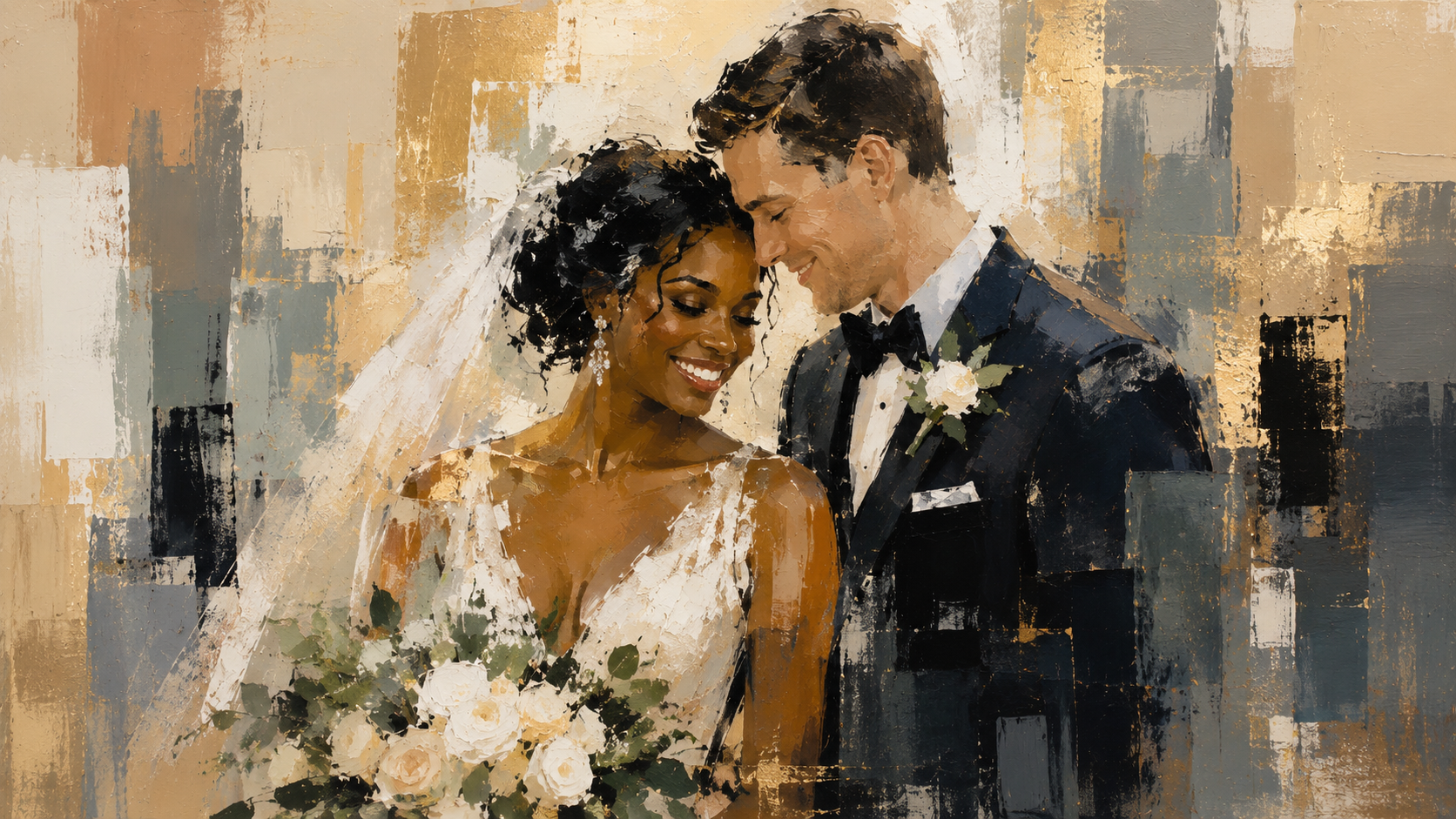

For decades, the groom was often the sartorial afterthought of the wedding day. While the dress was a multi-month architectural project, the suit was frequently a last-minute acquisition.
There is a quiet revolution happening in the gardens of Tuscany, the lofts of Brooklyn, and the rugged cliffs of the Scottish Highlands. The traditional wedding—once a rigid, predictable ceremony defined by inherited protocols—is dissolving. In its place, a more visceral and personal form of celebration is emerging. Today’s couples are no longer interested in performing a role; they are interested in creating an atmosphere. This shift away from the "standard" wedding has fundamentally altered the way men approach the altar. We are witnessing the end of the rented, ill-fitting uniform and the birth of a new era where the groom’s attire is as much a statement of character as the vows themselves.
For decades, the groom was often the sartorial afterthought of the wedding day. While the dress was a multi-month architectural project, the suit was frequently a last-minute acquisition, often blending into a sea of identical charcoal wool. But as weddings move away from hotel ballrooms and toward more unconventional, high-personality venues, the demand for a distinct visual identity has skyrocketed. Men are beginning to understand that the clothes they wear on this day aren't just a costume for a photo op—they are the physical manifestation of a major life transition.
Beyond the Sea of Grey
The most significant change in the modern wedding landscape is the death of the "default" suit. We are seeing a move toward what stylists call "narrative dressing." This means selecting fabrics and colors that speak to the specific environment of the celebration. A beach wedding in Ibiza demands the tactile, breathable honesty of linen in shades of sand or bleached stone. A winter ceremony in a historic library calls for the weight and richness of flannel or a deep emerald velvet.
This move toward texture over simple color is a sign of a maturing aesthetic. It’s no longer just about looking "smart"; it’s about looking intentional. When you choose a fabric with a visible weave or a unique hand-feel, you add a layer of depth to your presence. You become a person, not just a figure in a suit. This level of intentionality is exactly what sets the tone for a ceremony that feels authentic rather than rehearsed.
The Psychology of the Perfect Fit
There is a profound psychological shift that occurs when a man puts on a garment that was actually designed for his proportions. Most men spend their lives in "approximate" clothing—off-the-rack items that accommodate a general size but ignore the specific geometry of their bodies. On a wedding day, where nerves are high and the spotlight is constant, an ill-fitting suit acts as a subtle drain on confidence. You find yourself adjusting the sleeves, pulling at the collar, or feeling the restrictiveness of a shoulder that’s half an inch too narrow.
Conversely, a suit with a precise, soft-shoulder construction allows for a range of motion that encourages relaxation. You stand taller, your gait becomes more natural, and you are free to focus on the person standing across from you rather than the tension in your seams. This search for the perfect silhouette often leads men to specialists who understand the nuance of drape and movement. For those seeking this level of refinement, exploring the curated selection of wedding suits offers a masterclass in how modern tailoring can feel both traditional and incredibly fresh. By focusing on high-quality Italian fabrics and a contemporary cut, these garments ensure the groom feels as exceptional as the occasion demands.
The Rise of the "Second Look"
Another trend borrowed from the world of high fashion is the groom’s costume change. If the ceremony is about gravity and tradition, the reception is about kinetic energy and celebration. We are seeing an increasing number of men opt for a formal three-piece or a classic tuxedo for the vows, only to transition into something more relaxed for the evening.
This might mean swapping a structured jacket for a luxury knit or a chore coat in a matching hue, or perhaps changing from a crisp white shirt to a tonal silk polo. It’s a way of signaling that the "work" of the ceremony is done and the party has begun. This flexibility reflects a broader cultural trend: we want our traditions to be respected, but we also want our celebrations to be fun. It’s the ultimate expression of the modern man’s ability to navigate different social registers with ease.
Accessories as Character Actors
In a world where the suit provides the canvas, the accessories provide the brushstrokes. The modern groom is ditching the matching "wedding pack" ties and pocket squares in favor of pieces that have a story. This could be a vintage watch passed down through generations, a pair of loafers that prioritize comfort without sacrificing elegance, or a pocket square that introduces a surprising pop of pattern against a solid jacket.
The key here is restraint. The goal isn’t to wear every accessory at once, but to choose one or two items that carry emotional or aesthetic weight. Even the choice of footwear has evolved; the rigid, uncomfortable dress shoe is being replaced by sleek Belgian loafers or high-end leather sneakers for more casual settings. It’s all about the "high-low" mix—combining formal elements with relaxed details to create a look that feels lived-in and genuine.
A Lasting Legacy in the Wardrobe
Perhaps the most sustainable shift in the wedding industry is the move away from "single-use" clothing. Men are now looking for suits that can live a second life. A beautifully tailored navy or forest green suit isn't just for the wedding day; it’s a garment that can be broken down and worn as separates for years to come. The jacket can be paired with denim for a dinner out, and the trousers can be worn with a simple white t-shirt in the summer.
This mindset values quality over quantity. It’s an investment in a piece of personal history. When you look at your wedding photos a decade from now, you shouldn't see a trend that has aged poorly. You should see a version of yourself that looks timeless, sharp, and entirely comfortable in his own skin. The modern wedding isn't about following a set of rules; it's about defining your own. By choosing quality materials and a silhouette that honors your body, you aren't just dressing for a day—you're dressing for the man you are becoming. The ceremony is just the beginning; the style is what carries you through the years that follow.
