

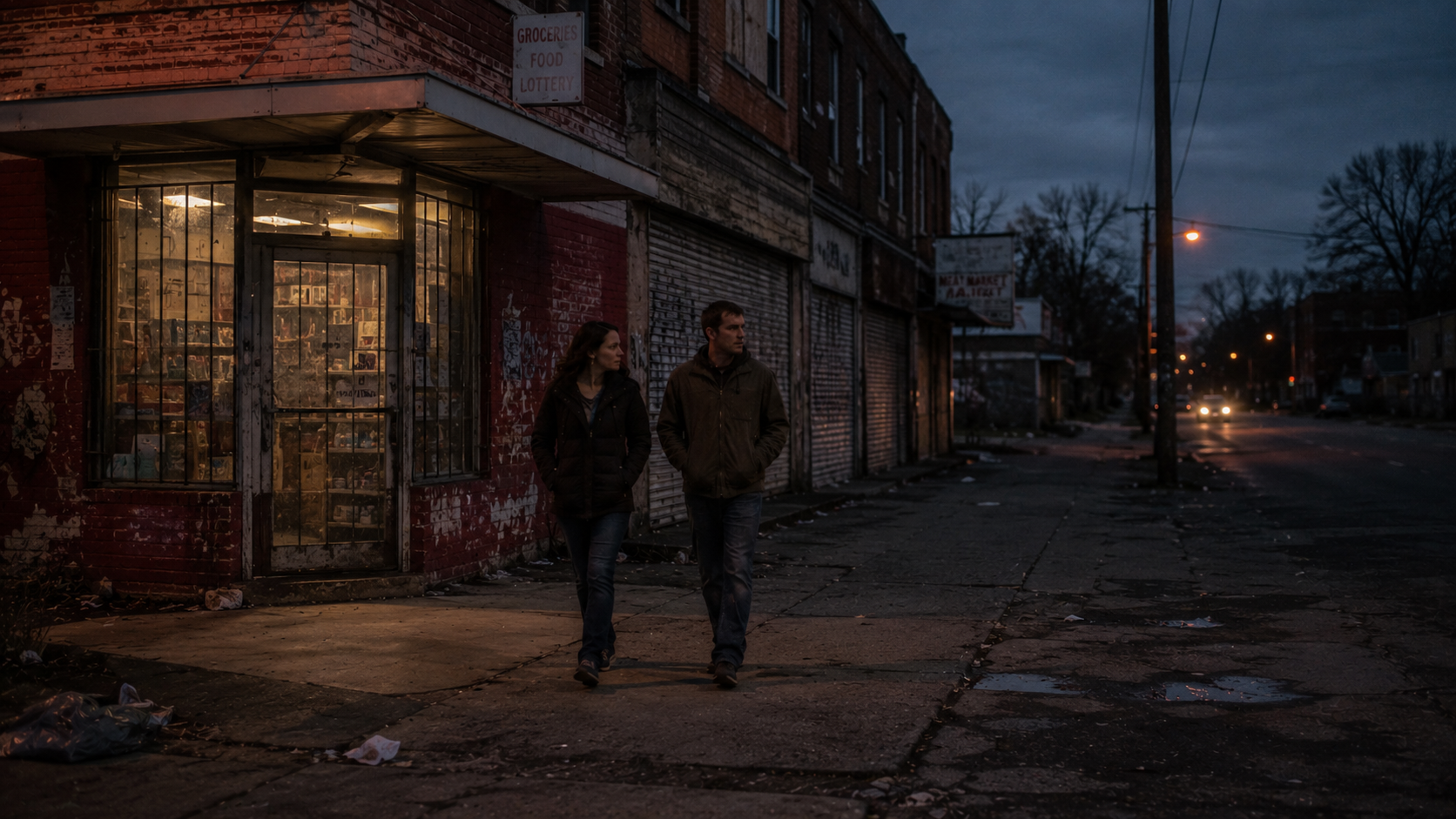


Raw totals may make one neighborhood appear more dangerous simply because more people live, work, or visit there than in another part of the city.
No city can be described by a single reputation, and Dayton is no exception. Some neighborhoods are known for strong community involvement, stable housing, and active local organizations, while others face challenges related to crime, vacant properties, or economic hardship. Those differences can influence how residents and visitors experience the city from one area to the next.
At the same time, relying on a single crime ranking or online list rarely provides the full picture. Safety is shaped by many factors, including recent trends, population size, time of day, and the specific block or street being considered.
Anyone researching the safest and most dangerous neighborhoods in Dayton should look beyond simple rankings and evaluate neighborhoods from several different perspectives.
What Crime Data Can and Cannot Reveal
Crime statistics are an important starting point, but they should always be interpreted carefully. Raw totals may make one neighborhood appear more dangerous simply because more people live, work, or visit there than in another part of the city.
It is also helpful to distinguish between violent crime and property crime. Areas with higher theft rates may present very different concerns than neighborhoods experiencing more serious violent offenses.
Looking at recent trends rather than a single year's data often provides a better understanding of how a neighborhood is changing over time instead of relying on outdated information.
Characteristics Often Associated With Safer Areas
Neighborhoods frequently perceived as safer often share several common characteristics. Active residents, well-maintained homes, good lighting, walkable streets, and visible community involvement can all contribute to both actual safety and a greater sense of security.
Access to schools, parks, local businesses, and community services may also encourage stronger neighborhood connections. When residents know one another and participate in local activities, they often become more invested in maintaining the area.
These characteristics do not guarantee safety, but they can support an environment where problems are identified and addressed more quickly.
Why Some Areas Experience Greater Risk
Neighborhood conditions are influenced by many social and economic factors rather than a single cause. Concentrated poverty, vacant buildings, heavy traffic, nightlife districts, and commercial activity may all contribute to higher reported crime in certain areas.
Risk can also vary dramatically within short distances. One block may feel very different from the next depending on lighting, property maintenance, business activity, and the time of day.
For that reason, broad labels describing an entire neighborhood as either safe or unsafe often oversimplify much more complex local conditions.
Researching a Neighborhood Before Making a Decision
Anyone considering moving to Dayton or spending significant time in a particular area should gather information from multiple sources. Reviewing recent crime data, visiting the neighborhood at different times, and speaking with local residents can provide valuable firsthand insight.
Community organizations, local government resources, and neighborhood associations may also offer useful information about current conditions and ongoing improvement efforts.
Personal priorities matter as well. Factors such as commute times, schools, parks, public transportation, and nearby amenities may be just as important as crime statistics when evaluating where to live.
Conclusion
Dayton cannot be divided neatly into safe and dangerous neighborhoods based on a single statistic or online ranking. Every community has its own strengths, challenges, and ongoing changes that deserve careful consideration.
The most informed decisions come from combining current crime data with personal observation and local knowledge. Taking the time to evaluate neighborhoods from several perspectives provides a much more accurate understanding than relying on broad assumptions.
Researching the safest and most dangerous neighborhoods in Dayton thoughtfully helps residents and visitors make decisions based on current information, firsthand experience, and the factors that matter most to their own needs.
