

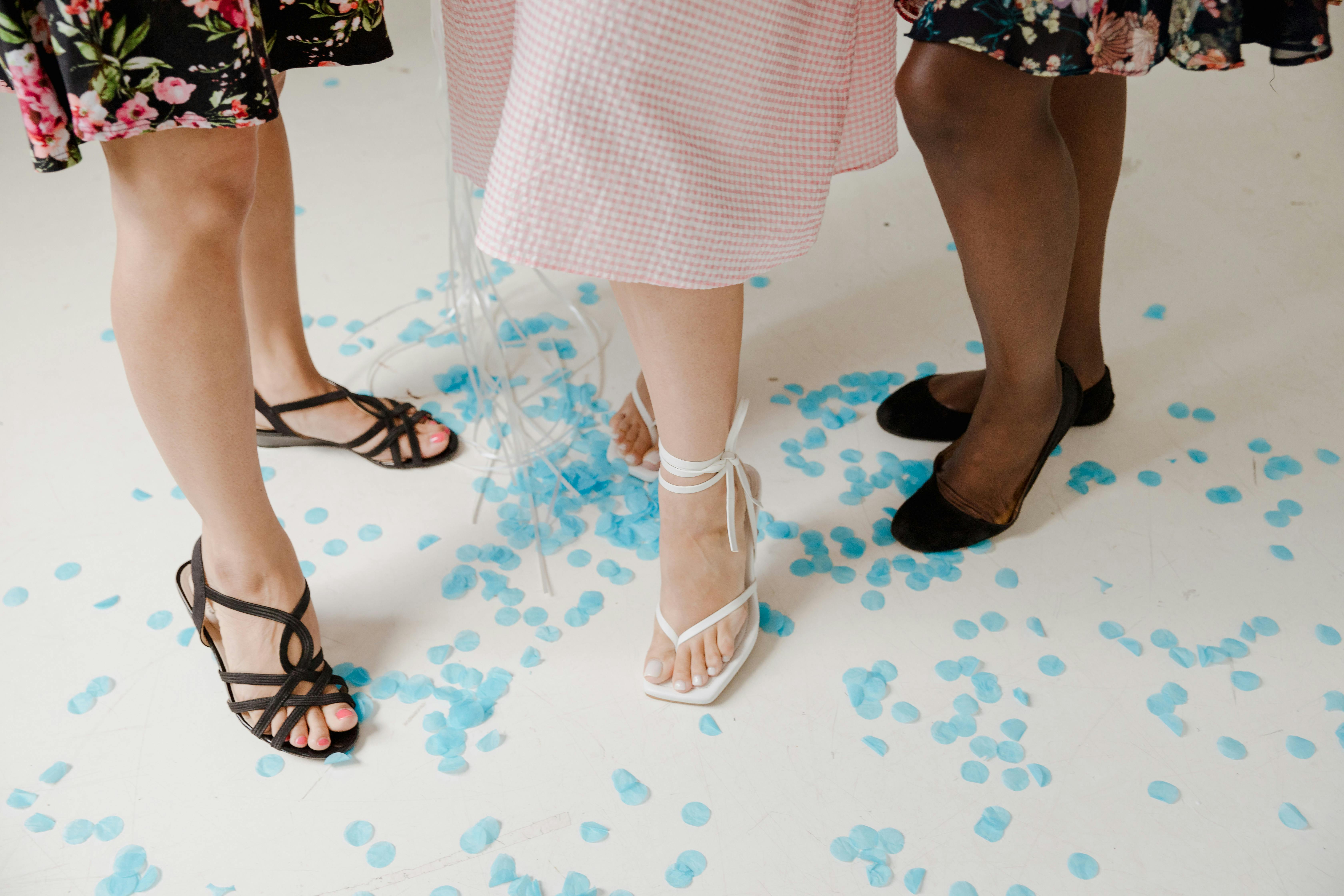


Support in sandals is less about padding and more about control. Strap placement is what provides that control, quietly and continuously, with every step.
Straps are treated as styling details. However, they do most of the functional work in sandals. Where they sit determines how weight is distributed. It also allows you to tell how stable the shoe feels after hours of wearing it. Poor placement leads to slipping and fatigue, even when the materials themselves are good.
Support in sandals is less about padding and more about control. Strap placement is what provides that control, quietly and continuously, with every step.
The Instep Strap Carries the Load
The instep is the highest point of the foot. It is also one of the most important anchor zones. A strap placed here helps secure the foot without forcing the toes to grip. When this area is supported correctly, walking feels more natural and less effortful.
But if the instep strap sits very far forward, it creates pressure near the toes. This allows the heel to lift. Too far back and it digs into the ankle while failing to stabilize the midfoot. The best placement balances hold with flexibility, allowing the foot to roll forward.
This single strap decides whether a sandal feels stable or exhausting by midday.
Toe Straps Control Alignment, Not Support
Toe straps are commonly misunderstood. Their job is not to support weight but to guide alignment. When placed correctly, they keep the foot centered on the footbed and prevent lateral drift.
Problems start when toe straps are expected to do too much. Narrow or tight straps here force the toes to compensate for poor midfoot control. That leads to clenching and eventual soreness. A well-designed sandal uses toe straps lightly, allowing the foot to relax rather than brace.
Ankle Straps Change Everything
Ankle straps add security, but they also raise the stakes. When placed well, they reduce heel lift and improve confidence on uneven ground. Otherwise, they restrict movement big time.
The key is height and angle. Straps that sit too low would rub against the ankle bone. Too high and they limit natural flexion. Angled straps that follow the natural slope of the ankle feel more forgiving.
This is especially noticeable in womens brown leather sandals designed for extended wear. The right ankle strap placement allows movement while maintaining control. This keeps the foot from working overtime.
Side Straps Distribute Pressure
Side straps play a quiet but very crucial role. They spread pressure across the foot and reduce the load on any single contact point. This distribution matters as feet swell throughout the day.
When side straps are too narrow or poorly positioned, pressure concentrates. Discomfort builds gradually. Wider straps or layered designs help prevent this by giving the foot room to expand without losing structure.
Side placement also affects airflow. Strategic spacing improves breathability without sacrificing hold.
Heel Cups That Work Well With Straps
Straps do not work in isolation. Their effectiveness depends on how they interact with the heel cup. A shallow or nonexistent heel cup forces straps to overcompensate. This leads to tightness and rubbing.
A modest heel cup centers the foot and allows straps to focus on guidance. This combination reduces slippage and improves balance, especially during longer walks.
Adjustability Is Only Useful When Placement Is Right
Adjustable straps are marketed as a solution to fit issues. Adjustment helps, but only within limits. If the strap is placed incorrectly, no amount of tightening will fix the underlying problem.
Good placement means adjustments fine-tune the fit rather than rescue it. Buckles and Velcro should allow micro-adjustments, not drastic corrections. When adjustment points are used to compensate for bad placement, comfort disappears quickly.
Fit should feel natural before adjustments are even made.
Strap Width Affects Perceived Support
Width changes how support feels. Narrow straps concentrate pressure and highlight imperfections in placement. Wider straps forgive more, spreading load across a larger surface.
This does not mean all straps should be wide. It means width should match function. Load-bearing areas benefit from width. Guide-only areas can stay slim.
Visual balance and physical balance often align more than people expect.
Movement Reveals the Truth
A sandal can feel fine when standing still and fall apart in motion. Strap placement should be evaluated while walking. Pay attention to where the foot shifts, where friction appears, and whether toes start gripping unconsciously.
Good placement disappears during movement. The foot stays centered. The stride stays natural. Effort stays low.
When straps are placed with intention, support feels effortless. That is when a sandal stops being a compromise and starts behaving like real footwear.
