

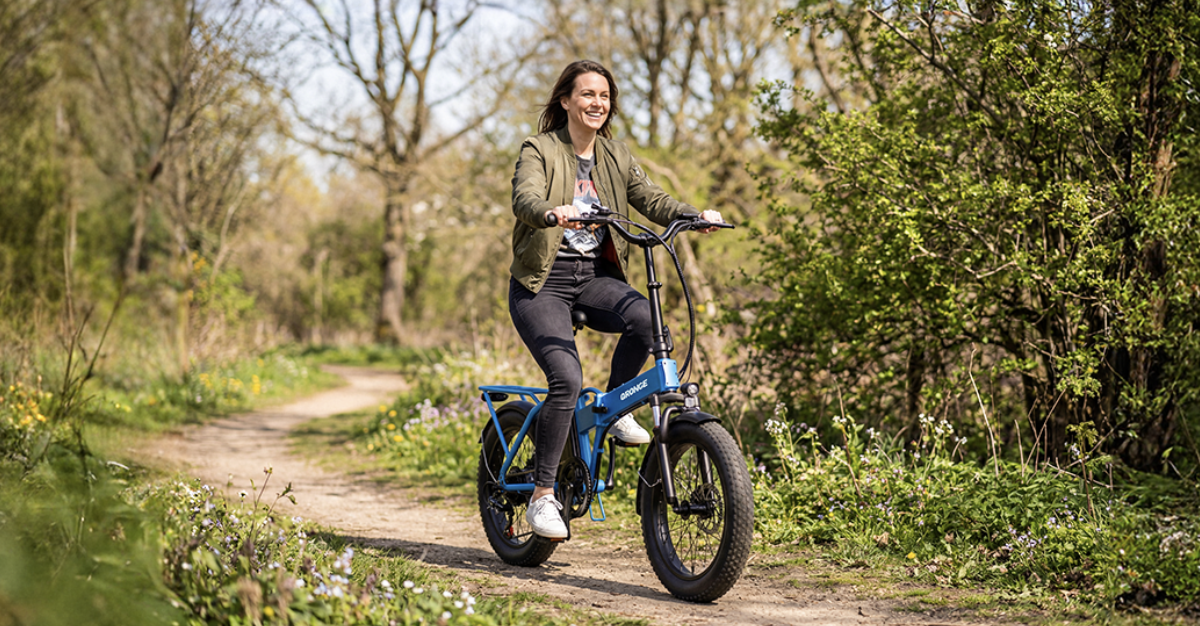


Many people pay attention to electric bikes not because they look like something from a science-fiction movie, but because they solve common everyday problems.
Movies are very good at making transportation look dramatic. Cars tear through city streets. Motorcycles fly down staircases. Futuristic vehicles move through glowing skylines at impossible speeds. On screen, movement is often about danger, escape, and spectacle.
Real life is much quieter. Most people are not looking for a chase scene when they leave the house. They are trying to take one fewer car trip, handle a short commute, reach a coffee shop, move around a campground, or make everyday errands a little easier. That is where e-bikes become interesting—not as movie props, but as practical tools.
Movies Love Speed, Real Life Needs Less Hassle
In action movies, vehicles usually exist to create tension. The faster the chase, the bigger the scene. The more dangerous the ride, the more exciting the camera work. But the average rider does not want every trip to feel like an escape sequence.
For most people, the goal is not danger. It is convenience. A useful vehicle should make short routes easier, parking less stressful, and daily movement less dependent on a car. It may never look dramatic on screen, but it can quietly improve the way ordinary days work.
E-Bikes Are Not Just Futuristic Props
Many people pay attention to electric bikes not because they look like something from a science-fiction movie, but because they solve common everyday problems. Driving can feel unnecessary for short trips. Walking can take too long. A traditional bicycle can feel tiring with hills, wind, heat, or cargo.
Pedal assist lowers that barrier. It makes short routes more manageable without turning every ride into a workout. The point is not to make the rider feel like a stunt performer. The point is to make ordinary movement feel easier.
Entertainment Often Overstates Mobility
Film and television often use vehicles as symbols. A sports car can stand for success. A motorcycle can suggest rebellion. A futuristic machine can represent technology, freedom, or danger. These images are powerful, but they can also make audiences think transportation is mainly about speed and visual impact.
In daily life, the better questions are much simpler. Is the frame easy to mount? Are the brakes reliable? Does the battery have enough range? Do the tires match the route? Can the bike be stored at home without becoming a burden? The more often something is used, the more these ordinary details matter.
Choose the Bike Around Real Routes
For commuting and local rides, a commuter model should be judged by comfort, range, braking confidence, and daily stability. For grass, gravel, campground areas, or light mixed surfaces, fat tires may be useful. For garages, RVs, storage rooms, or smaller homes, folding models can make ownership easier.
Step-through frames may help riders who want easier mounting. Trikes can make sense for riders who want more stability, cargo room, or slower, controlled riding. Shopping for an e-bike is not like watching a movie trailer. The first impression matters less than whether the bike fits the route used most often.
A Discount Should Not Make the Decision Alone
Back in the real world, many buying decisions come down to budget. Some shoppers check ebike clearance pages while comparing models, hoping to find better pricing during seasonal changes, inventory updates, or limited-time promotions. That can be a sensible move, but a discount only lowers the entry cost. It does not replace judgment about frame style, range, tires, brakes, and support terms.
The best value is not always the lowest price. It is the bike that gets used often, fits the rider’s routine, and keeps long-term ownership manageable. A cheap bike that is uncomfortable, hard to store, short on range, or unclear on support may not be much of a deal at all.
Specifications Need to Meet the Real World
Movie dialogue can exaggerate. Product specifications should not. Power affects starts, hills, and loaded riding. Range determines whether a trip has enough margin. Payload matters for the rider, bags, groceries, or other carried items.
For flat commuting and short rides, smooth assist, comfortable posture, and reliable braking may matter more than high power. For hills, cargo, or longer weekend routes, battery capacity, tire type, and overall stability deserve closer attention. A useful specification is not the one that sounds biggest. It is the one that solves a real problem.
Brand Details Should Serve the Choice
When riders review a page such as qronge, they can narrow the choice by commuter, fat tire, folding, or trike use, then compare price, range, frame style, warranty, trial period, payment options, and delivery details together. That approach treats the bike as a long-term mobility tool rather than a one-note purchase.
This is the biggest difference between screen vehicles and real ones. Movie vehicles serve the story. Real vehicles serve the day. For most riders, the question is not whether the bike can create drama. It is whether the bike can make daily movement easier.
E-Bikes and Electric Off-Road Vehicles Play Different Roles
E-bikes are best suited for commuting, neighborhood movement, campground rides, RV travel support, and light outdoor routes. Their main value is ease, stability, convenience, and lower-cost short-distance mobility.
Electric off-road vehicles belong to a different category. They are better suited to private land, legal off-road areas, and more demanding terrain. Understanding that difference helps buyers choose the right tool. Like characters in a film, different vehicles have different roles.
The Real Future Is Less Friction
On screen, the future of transportation often looks fast, bright, and dramatic. In ordinary life, the better future may be quieter. It may mean one fewer car trip, one less parking problem, less hesitation over a short ride, and more freedom in how people plan their day.
The practical value of an e-bike is not that it turns life into an action movie. It is that it removes small obstacles from daily movement. It does not need to be the star of the scene. It only needs to make the route easier.
