

White Nights, Black Paradise

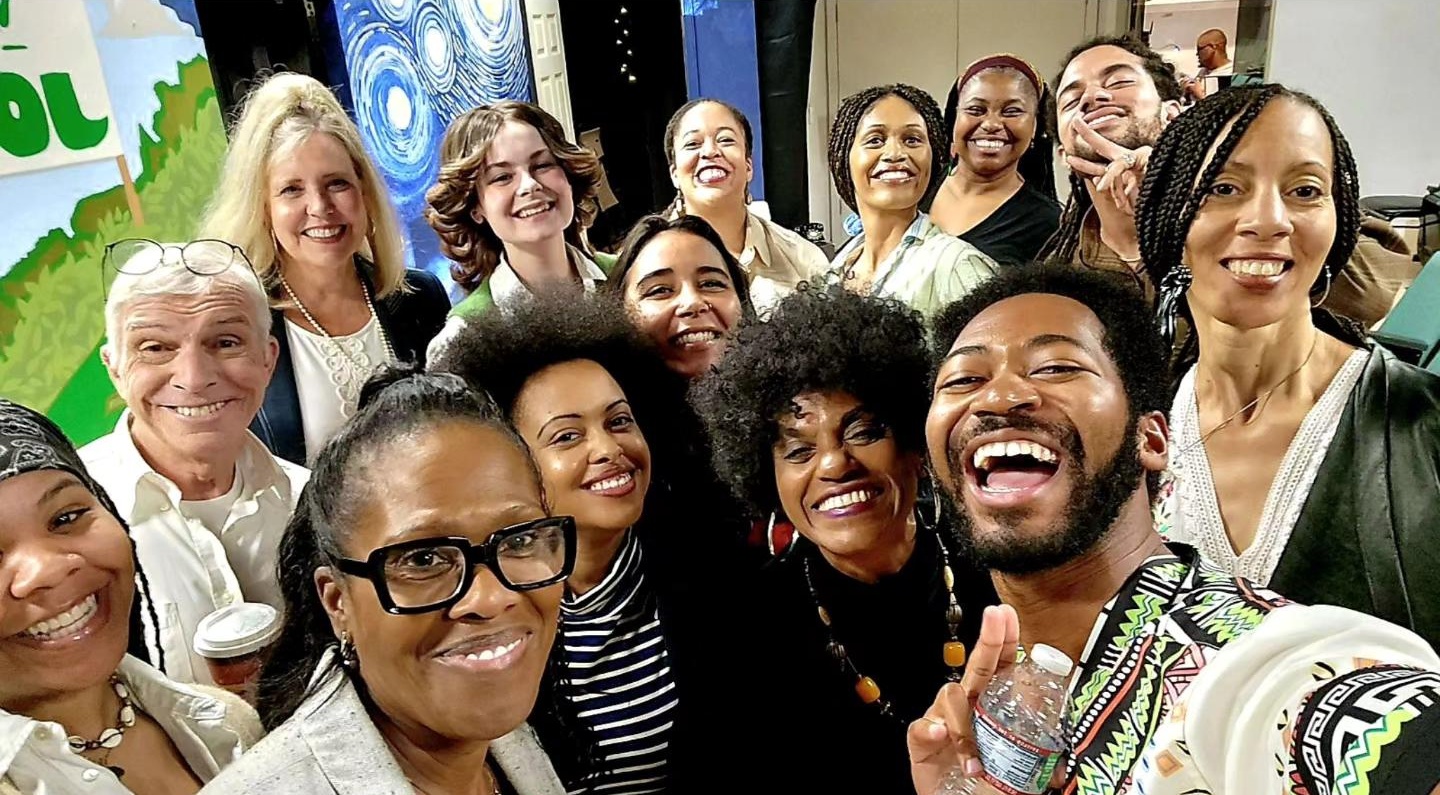
Playwrigt Sikivu Hutchinson principally uses the lives of three fictional Black women to give the audience insight into the ever-present economic pressure endured by all Black people.
Recently, we attended feminist, novelist, playwright, and director Sikivu Hutchinson’s staged version of “White Nights, Black Paradise,” a novel Hutchinson published in 2015. Told largely through the voices of three Black women, “White Nights, Black Paradise” examines the rise of the Peoples Temple in 1977 and 1978. The play ends with the destruction of Jonestown in Guyana on November 18, 1978.
Ordinarily, when commenting on Jonestown, observers focus on its founder, Jim Jones, or possibly the murder of U.S. Congressman Leo Ryan, who had gone there to investigate disturbing rumors, or later Jackie Speier, his aide who was wounded there and became a long-serving Congresswoman. But 909 people died at Jonestown, largely from forced poisoning, many of them Black women and children. “White Nights, Black Paradise” attempts to shift the focus onto their plight.
Hutchinson principally uses the lives of three fictional Black women to give the audience insight into the ever-present economic pressure endured by Black people in the United States and how that unrelenting pressure was a major driving force in the decision to go to Guyana.
The play premiered on the eve of November 18, 2023 – the 45th anniversary of the mass killing of over 900 people, the vast majority of them women and children of color. The cast did an outstanding job conveying the struggles of day-to-day life and the desperate hope of a potential Black paradise.
Before the play began, Sikivu made a brief statement to the audience. Hutchinson, who is also an educator, spent about 5 minutes educating the audience, many of whom were too young to have any memories of the 1978 tragedy and many of whom were not yet born when it happened. I was not one of those people. I had very clear memories of the event, but as I listened, I learned something I hadn’t known – the mass killing in Guyana was the greatest single loss of American civilian life in a deliberate act in the history of the United States up until September 11, 2001. Another fact Sikivu shared was the percentage of women and children who lost their lives. Over 300 children were killed that day.

“White Nights, Black Paradise”, brings to the fore one of the single most tragic events of American History, yet my 20-something year old stepdaughter—who attended the play with me and my husband—had never heard of Jonestown or what happened there. The play was performed three nights over the weekend of November 17-19 and will likely return to the stage in the near future.
In this era of book banning, plays like “White Nights, Black Paradise” provide an opportunity to learn critical history that is not being taught and likely won’t be taught anytime soon.
