



Many of us think that our children turned out okay because we were good parents. But perhaps we’re giving ourselves too much credit.
The four-part Netflix Series “Adolescence”--each episode about an hour--makes for riveting watching. At least, it did for this writer, who long ago experienced one daughter and two sons pass through the difficult adolescent stage of life. Plus, more recently, three of our (my now deceased wife, Nancy, and I) six grandchildren have completed that period in their lives.
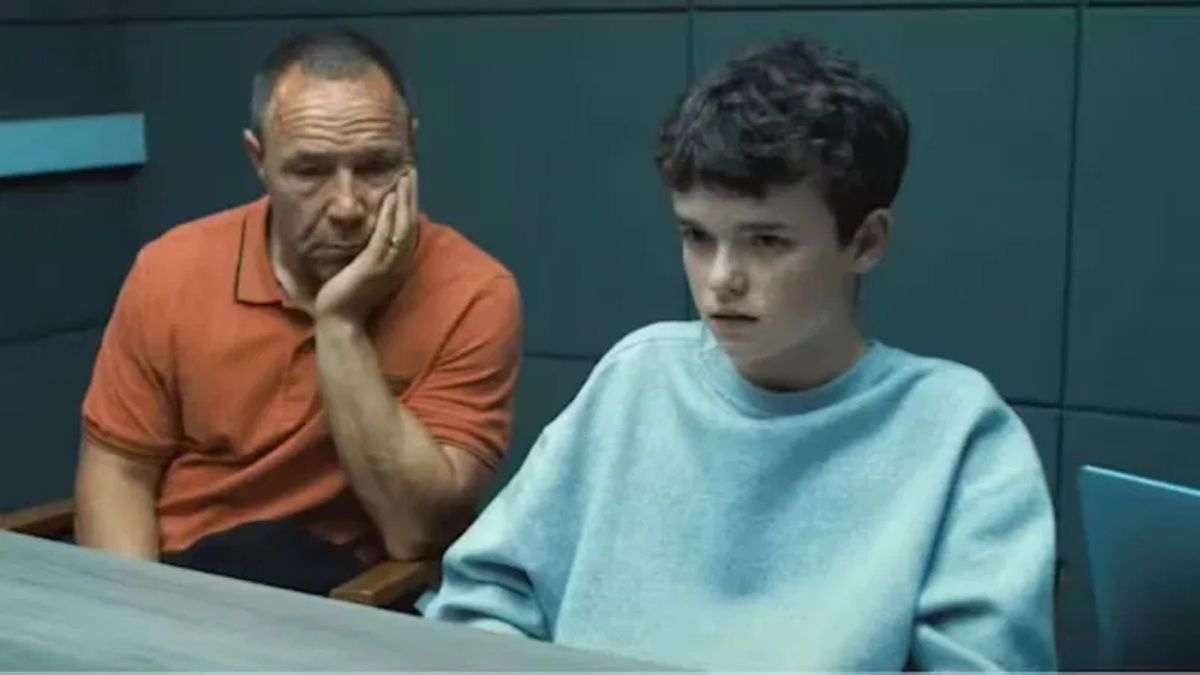
The basic story of “Adolescence” is about 13-year-old Jamie (newcomer Owen Cooper), who is arrested and imprisoned in England for the multiple stabbing death of classmate Katie, as well as the grieving and second-guessing of his family--dad (Stephen Graham), mom (Christine Tremarco), and older sister Lisa (Amélie Pease).
The four episodes focus on both Jamie (especially in Episode 3) and the remainder of his family (especially in Episode 4). In addition, the two arresting officers, Luke Mascombe (Ashley Walters) and Misha Frank (Faye Marsay), are provided plenty of screen time in the first two episodes.
In Episode 3 a psychologist, Briony Ariston (Erin Doherty), interacts with the imprisoned Jamie, and at times their interaction becomes volatile. Episode 4 deals mainly with the family (on Eddie’s 50th birthday) minus Jamie, except for his voice on the phone (calling from prison) with which they interact as Eddie drives the family panel truck accompanied by wife Manda and sister Lisa. Eddie is played by the veteran British actor Graham, who is also one of the series’ two creators, and he is terrific--the whole cast is excellent, but Graham’s performance is--or at least should be--award-winning. (Director Philip Barantini also deserves credit for directing the series.)
The main feeling the series produced in me was, “How lucky Nancy and I were to have our three children pass through adolescence without incurring any major damage.” This feeling hit me especially in Episode 4 when Jamie tells his family (on the phone) that he’s going to change his plea to one of being guilty of killing classmate Katie--heretofore he had insisted, despite contrary video evidence, that he was innocent of the crime. Subsequently, Jamie’s dad and mom reflect on whether or not they did an adequate job bringing him up.
She says that Jamie had a terrible temper, and maybe they should have stopped it. But Eddie replies that parents “can only do so much.” And “it’s not our fault.” He recalls that his own dad used to whack him with a belt, and he (Eddie) promised himself he’d never do that to his kids, and he didn’t. But near the end of Episode 4, Eddie cries, kisses a little stuffed animal in Jamie’s room and says, “I’m sorry son. I should have done better.”
Which of us parents couldn’t have “done better,” especially in this age of social media bullying, which the series implicates as one of the causes of Jamie’s killing Katie? Many of us think that our children turned out okay because we were good parents. But perhaps we’re giving ourselves too much credit. Were all the parents of kids who got in serious trouble (crimes, drugs, etc.) bad parents? Or were some of them just more unfortunate than those of us who were luckier? One of the many strengths of “Adolescence” is that it should make all of us parents who were lucky enough to blunder through our kids’ adolescent years more grateful.
